
If you’ve ever had a marketer try to sell you “full-funnel omnichannel amplification strategies”, you’re not alone. And I’m sorry you had to go through that.
Hi! My name’s Sam Chambers, and I’m the founder of BRANDEYE.AM, a digital agency helping medical practices, associations, training programmes, and corporates attract, convert, and retain the customers they want.
Why would a culture-crossed South African/British boy decide to pivot from glamorous Capetonian food, lifestyle, and interior brands to medical, you may ask? By the age of 27, I had already undergone 15 surgeries and, while I’m grateful to now be in (pretty) good shape, this series of unfortunate events made me realise just how important a good doctor can be.
I also realised that a lot of the best doctors are more focused on their scalpels than Insta-stories, and they’re falling behind in an era of digitally native young ’uns.
Like me facing my health challenges, the clients we work with aren’t looking for quick hacks or gimmicks. They want something better:
🦷 Marketing that respects their profession.
🦷 Systems that attract the right kind of patients.
🦷 And a lifelong brand, and legacy, they can be proud of.
Marketing and dentistry have more in common than you might think. Both have their fair share of snake oil and overpromising. Both love an unnecessary Latin word. And both, when done well, boil down to trust.
And in the spirit of trust, a small disclosure. You know this journal you’re reading? The Pulp Fiction series? We made it. Well, not alone — The Endo Academy team provided the brains and brilliance, and we handled the rest.
So, here I am, a ghostwriter revealing himself. Come with me on this journey; a straightforward, plain English look at what it takes to build a persuasive digital presence in 2025, and what smart dental practices are doing differently.

You’ve probably seen it: the dentist doing a floss dance in scrubs. The lip-syncing hygienist. The “shocking smile makeover reveal” with emotional piano music swelling in the background. It’s gone viral! It’s got 100k views! It’s… attracting entirely the wrong kind of patient.
It’s never been easier to get attention online. But getting attention and earning trust are not the same thing. Especially in healthcare, where the stakes are significantly higher than buying a faulty shower head.
When you’re in pain, panicked, or facing extensive and expensive aesthetic work, you don’t want Shakira, you want a doctor. Preferably one with a strong sense of ethics and steady hands.
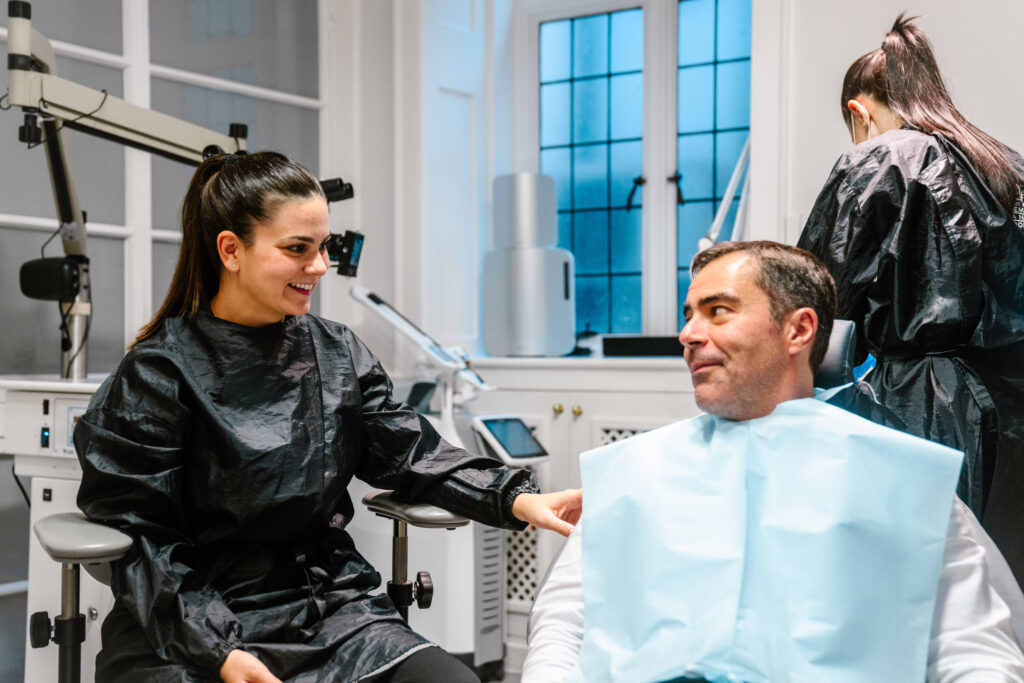
And yet, every week we see healthcare professionals being encouraged to chase trends, maximise impressions, and “go viral”, often without asking the most important question: what kind of audience does this attract?
Because yes, you can get 200,000 views on a reel showing a patient sobbing in a chair. But will those views convert into loyal, values-aligned patients? Or will you spend your week fielding phone calls from people looking for quick fixes or substantial discounts?
This is the vantage point from which we’ve built BRANDEYE.AM. Strategies and systems that help create authority, longevity, and legacy aligned with the medical profession.

Before we talk about logos, colours, or Instagram bios, let’s talk about strategy, the part most people skip in their rush to “just get something out there”.
Smart practices don’t start with design. They start with positioning.
Where do you sit in the market? Who are you for? What do you offer that’s genuinely different, and is it something your audience actually wants?
This is your opportunity to zoom out and take a look at the playing field. Are you the only endodontist in a 30km radius? Do you specialise in patients with dental anxiety? Are you running a high-efficiency, high-volume clinic for time-starved professionals?
Once you know where you sit, we move on to how you communicate that position. That’s your communication strategy — the tone, language, and narrative you use to stand out without shouting.
This is where we help clinics align on:
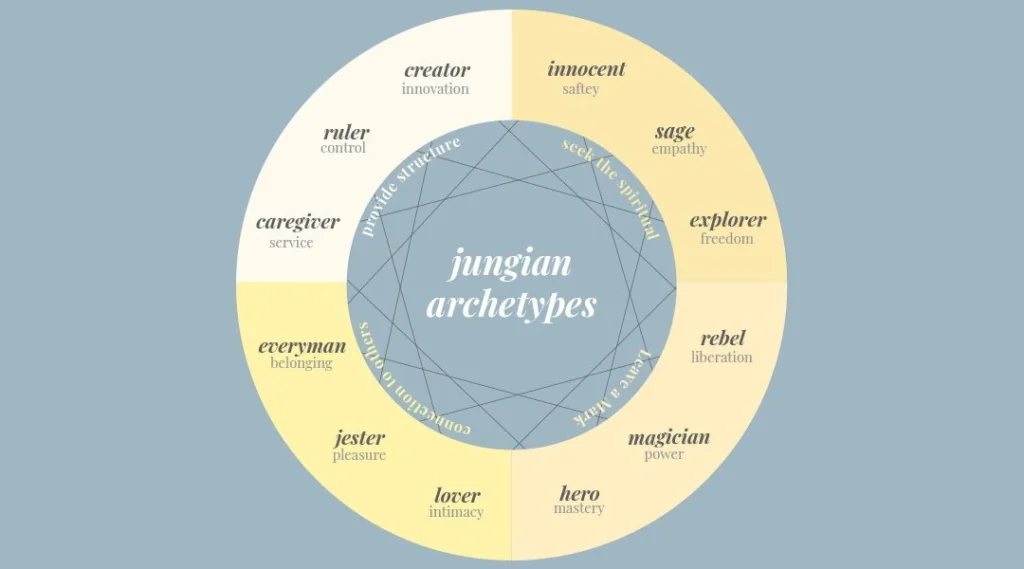
To build this foundation, we draw on frameworks like Jungian archetypes and develop a lexicon, a vocabulary that reflects your practice’s personality and values.
Your brand isn’t about being louder than the dentist down the road; it’s about being clearer. More consistent. More you.
Using these frameworks helps keep your messaging cohesive across platforms and people, from the receptionist answering phones to the email footer sent after treatment.
Because when you’re consistent and aligned with your WHY and your values, you create a strange attraction, connection, and sense of trust that can’t be explained.

Once you’ve nailed your positioning and messaging, the visuals become a lot easier. And, crucially, they start making sense. Because when someone lands on your website or sees your sign from across the street, they’re not just reacting to your colours, they’re picking up on a whole story.
Here’s what we mean when we say visual identity:
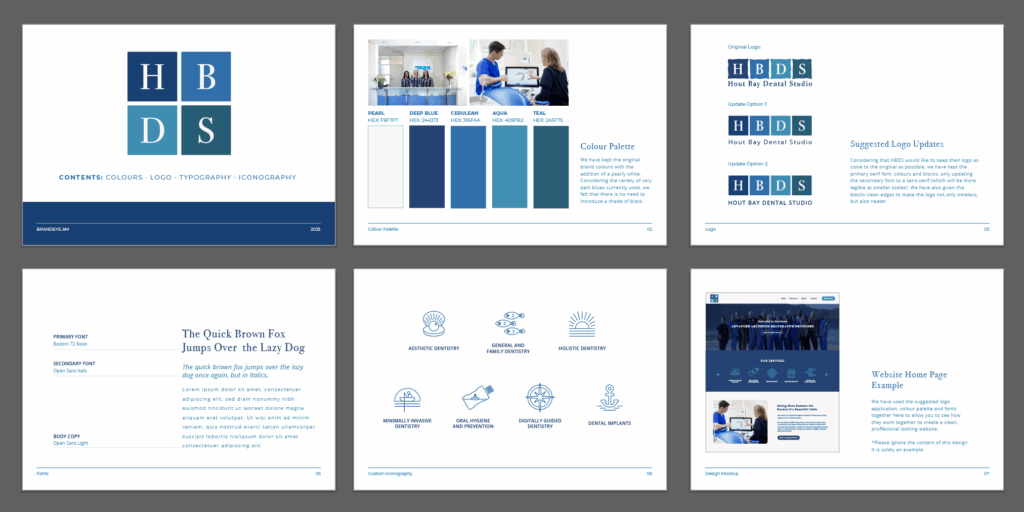
Colour palette – Not just your favourite colour. Your palette needs to reflect your positioning. Each choice sends a signal.
Typography – Fonts carry personality. Serif fonts feel traditional and trustworthy. Sans-serifs are modern and minimal. And handwritten styles? Approach with caution. We also always make sure to choose Google-native fonts that look the same across all platforms.
Photography style – Stock photos of people in lab coats shaking hands? Please, no. Patients respond to real environments, real clinicians, and above all, real smiles (not the terrifyingly over-whitened kind). Decide early: editorial and elegant, or casual and friendly?
Graphics and iconography – Used sparingly and with purpose. Consistency is key. Your “tooth” icon shouldn’t look different on your website, booking platform, and newsletter.
Interior branding – Often overlooked, but super important. The experience patients have in practice should feel like a seamless extension of what they saw online. From the signage to the uniforms to the waiting room scent.
The golden rule? Consistency. The most memorable brands aren’t always the most flamboyant. They’re the most cohesive. They show up the same way, everywhere, which builds recognition, comfort, and trust.

Your website isn’t just a digital brochure. It’s your hardest-working team member. Available 24/7. Never takes lunch. Never rolls its eyes at a 5pm emergency call. And it should be converting visitors into bookings.
🧱 1. Clarity over cleverness
Your homepage needs to answer three questions within 3 seconds:
📱 2. Mobile-first design
If your site only looks good on a 27-inch monitor, we have a problem. Over 70% of users browse on mobile. If it’s slow, clunky, or hard to click, they’ll bounce.
🚪 3. Clear call-to-action (CTA)
What do you want the user to do? Book? Call? Fill out a form? Pick one main action per page and make it obvious. “Contact us” is not a CTA. “Book a consultation” is.
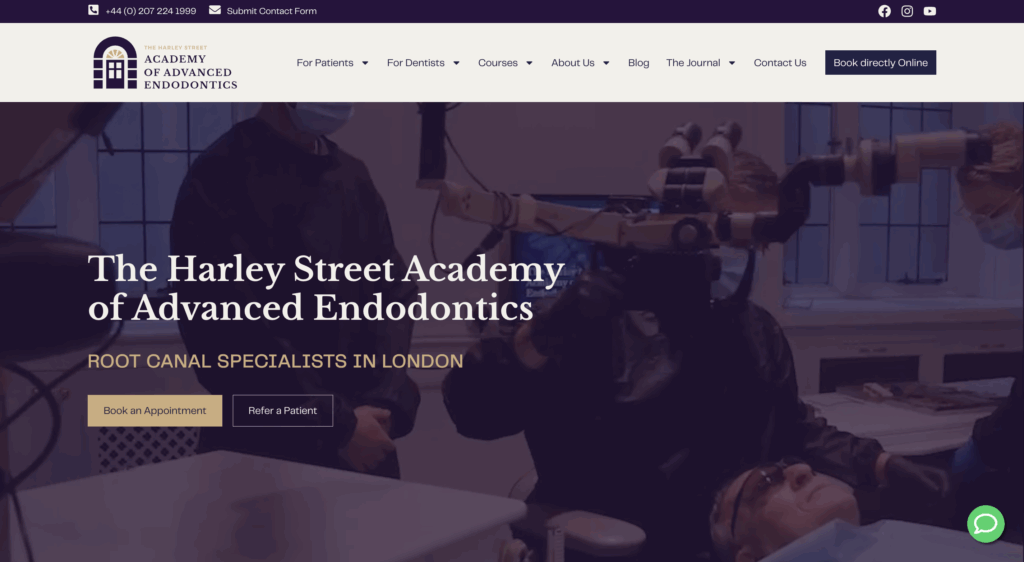
🔍 4. On-page SEO structure
Your website needs to be structured in a way that search engines understand; page titles, headings, meta descriptions, image tags, and internal links. Not sexy, but necessary.
🧠 5. Trust signals
These are the things that make patients go: “Ah, they’re legit.”
Think:
🚫 6. No distractions, no dead ends
Avoid clutter. Ditch the auto-play music. Every click should have a purpose. Every page should lead somewhere useful.
Once your digital house is in order, then it’s worth investing in outreach, because paid ads, social posts, and SEO traffic won’t help much if they’re all pointing toward a weak or confusing site.
Build trust, guide action, and never make your patients work harder than they have to.

Once your foundations are set (see: website that works, brand that makes sense), it’s time to answer the question: how do we get people to actually find us?
There’s no shortage of options. In fact, there are too many, which is why so many clinics end up doing a little bit of everything, badly.
Here’s a smarter approach: choose the right channels for your practice, based on your goals, audience, and budget. Let’s break it down.
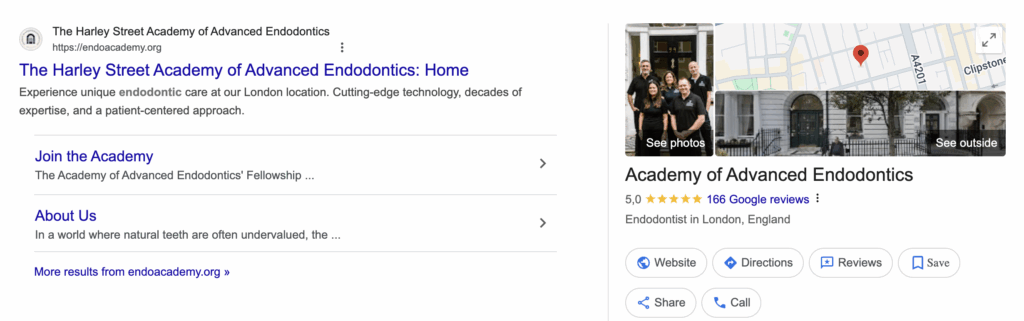
Best for: Local discovery
Why it matters:
Google My Business is a bit of a cheat code when it comes to online visibility. The MyBusiness listings often appear second (below ads) on the search page, and if you’re dedicated to generating positive reviews, making regular posts, and populating your profile properly, this platform can get you a ton of visibility and bookings.
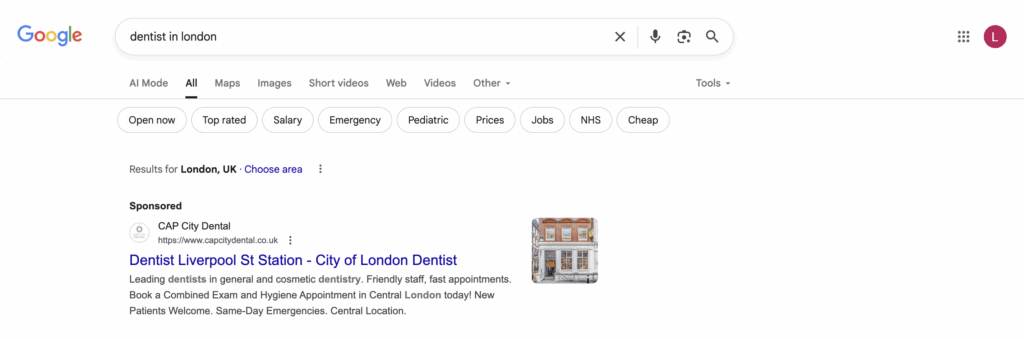
Best for: Fast results, high-intent searchers.
Why it matters:
If someone’s Googling “root canal specialist” or “emergency dentist”, they’re not after vibes or education, they’re ready to book. Google Ads gets you in front of those people, fast. But it must be managed properly, or it becomes a money pit.
👍 Do it if: You’re ready to invest and track ROI.
👎 Don’t do it if: You’re guessing your keywords and hoping for the best.
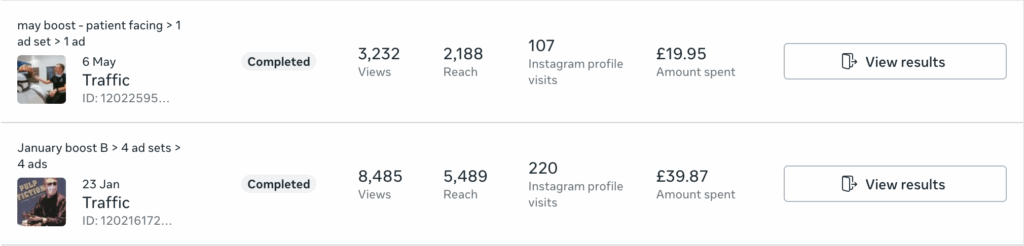
Best for: Awareness, retargeting, aesthetic campaigns
Why it matters:
Meta is tricky when it comes to dentistry and only really works for ‘optional’ treatments like oral hygiene, whitening, alginers, and veneers/composite bonding. It can also be a good tool for retargeting website visitors and building general awareness of your brand.
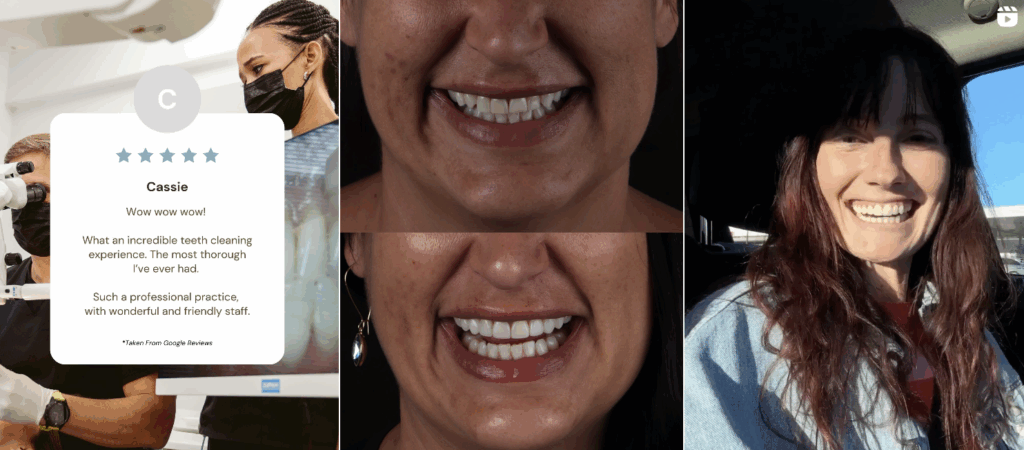
Best for: Local credibility, niche patient groups.
Why it matters:
Influencer marketing, when done carefully and in the right context, can be a lifeline. Having a trusted voice with the right demographic reach singing your praises is incredible for awareness and trust-building. If you’re sitting with a relatively empty diary, it can also be a great way to take advantage of that extra time. Just make sure you pick carefully.
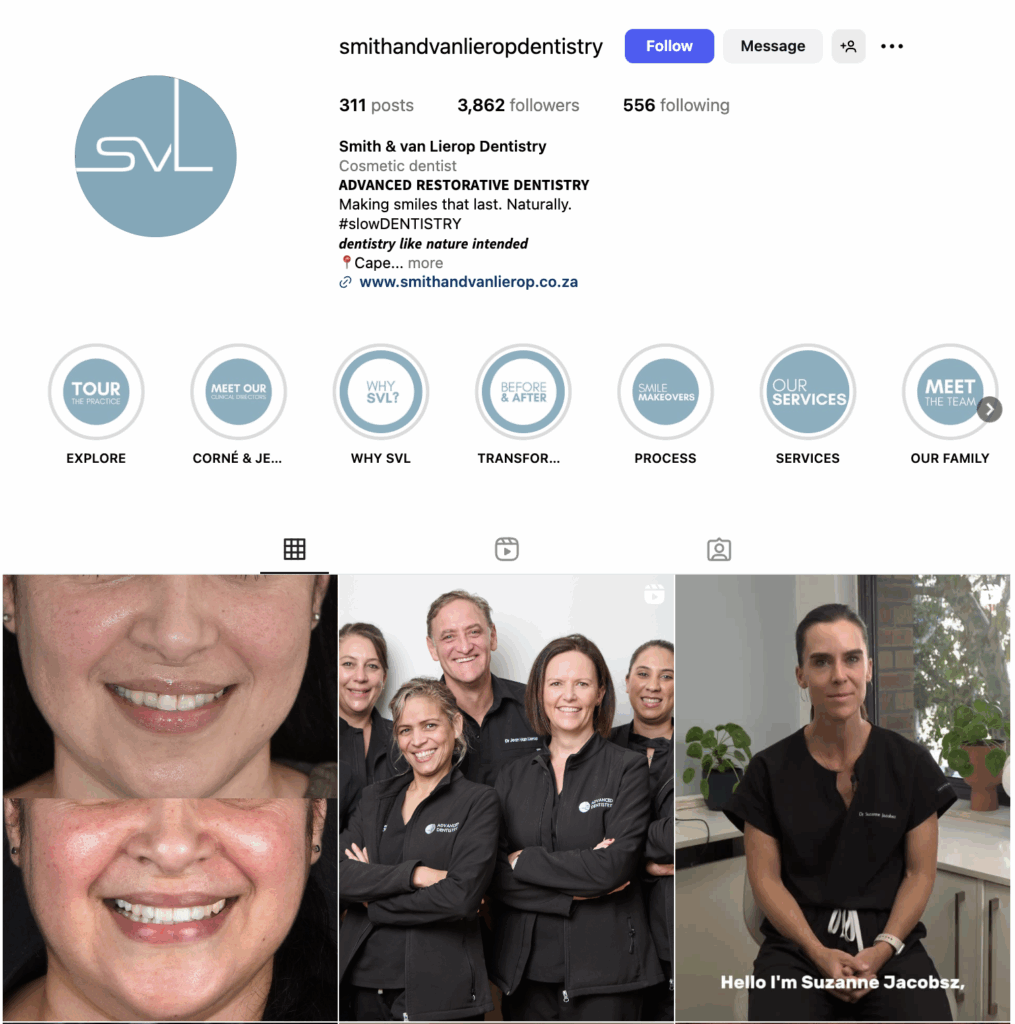
Best for: Patient relationships, brand presence, trust over time.
Why it matters:
Organic social media in 2025 relies heavily on short-form video content to have any real effect/reach. And unless you’re a super charismatic creator already passionate about Insta/TikTok, it’s likely going to be a bit of a stretch. We typically focus our video efforts on creating evergreen content for web pages, while keeping social media active with low-effort static posts and occasional boosting to keep things engaged.
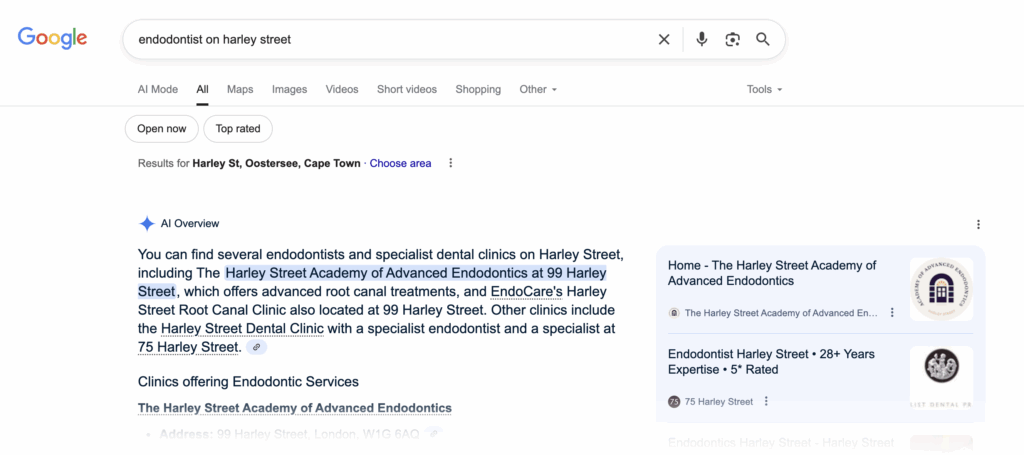
Best for: Long-term visibility, consistent web traffic.
Why it matters:
Good SEO means your site shows up naturally in a search, no ads required. It’s slower, but more sustainable. Ideal for practices seeking to establish a lasting online presence without incurring ongoing ad costs. There are three primary considerations when it comes to SEO:
👍 Worth it if: You’re patient and committed.
👎 Not for: Clinics that need leads yesterday.

It costs more to win a new patient than it does to keep an existing one, and yet most clinics put 90% of their energy into acquisition and leave the rest to fate.
But if you’re doing excellent work and building trust, you’ve already done the hard part. Now it’s about making sure your patients remember you, return to you, and recommend you.
Here’s how smart clinics are doing it ethically and elegantly.
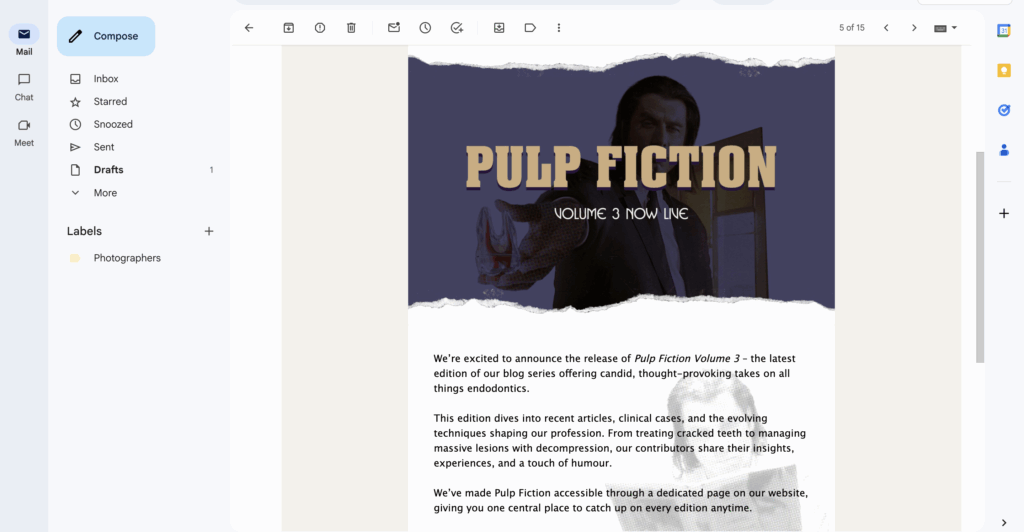
You know what patients don’t want? A monthly newsletter that feels like a recycled press release. You know what they do want?
Someone visited your site but didn’t book? It happens. Retargeting ads quietly follow them around the internet to remind them you exist.
“Still thinking about those veneers? We’re still here, and yes, we’ve upgraded our chairs.”
Social media isn’t just a megaphone for attracting new followers, it’s a trust touchpoint for existing patients.
Every post is a chance to reinforce that you’re still the right choice.
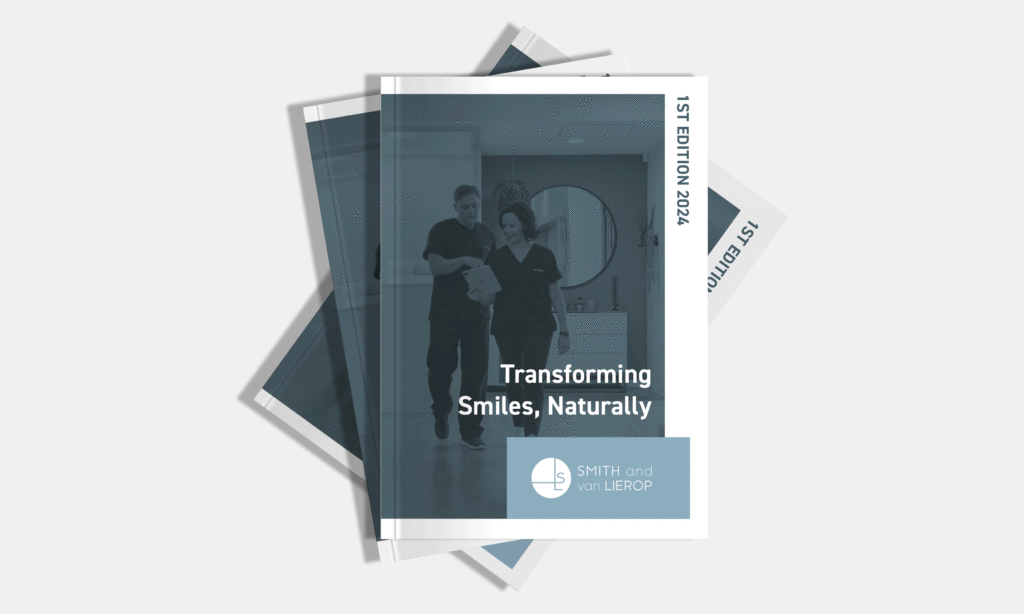
A beautifully designed magazine, treatment explainer, or welcome pack can go a long way in making patients feel looked after, and subtly plant the seed for other treatments they might need.
This isn’t about pressuring people into cosmetic procedures they don’t want. It’s about making sure they know what’s available and feeling safe enough to explore it.
Upsells should feel like options, not obligations.
Because when you’ve built a brand rooted in trust, you don’t have to shout. You simply guide.
It’s about care, not conversion. But often, one leads to the other.

If you’ve made it this far, firstly, congratulations. That’s already more attention than most Google Ads get. Secondly, you now know what the smartest dental practices are doing differently in 2025:
🦷 They’re not chasing clicks, they’re building trust.
🦷 They’re not copying what everyone else is doing, they’re positioning themselves with clarity and intention.
🦷 They’re not trying to master every marketing channel at once, they’re choosing the right ones and doing them properly.
🦷 And they’re not obsessed with virality, they’re focused on long-term visibility.
Marketing, like dentistry, is a systems game. And systems work best when they’re integrated. Your website needs to reflect your values. Your social posts need to align with your visuals. Your ads need to point to a landing page that converts. Otherwise, it’s a leaky bucket, and no amount of ad spend can fix that.
Now, you can do all this yourself. Absolutely.
But if you’d rather partner with people who’ve been in the trenches — with practices, associations, and medical brands across the globe — that’s what we do.
If you’re ready to start building a digital presence with purpose, clarity, and personality, we’re here: sam@brandeye.am
Thank you for your time.
Our dentists and nurses are all registered with the General Dental Council
The practice is regulated by the Care Quality Commission
Our complaints process can be found here.

© 2026 Academy of Advanced Endodontics. All rights reserved.