

5 Stars
From 220+ Google Reviews
Trustindex verifies that the original source of the review is Google. Extremely professional service. I was kept informed at every step and the procedure was swift and painless. Many thanks.Trustindex verifies that the original source of the review is Google. Dr. Kahan is an exceptional professional with a great sense of humor. He combines expertise with a warm and approachable manner, making every visit a positive experience. His professionalism and knowledge are outstanding, and he genuinely cares about his patients. Highly recommended!Trustindex verifies that the original source of the review is Google. Clear, comprehensive, balanced explanation that put my son at his ease despite a difficult clinical situationTrustindex verifies that the original source of the review is Google. I found Richard Kahan very easy going, consultative and very focused on my needs also he was very structured on detailed explanations. Thoroughly knowledgeable and helpful.Trustindex verifies that the original source of the review is Google. Kind, friendly and skilled staff, would highly recommend.Trustindex verifies that the original source of the review is Google. I was booked in very promptly (same day, in fact immediately) after I contacted the practice explaining that I was in severe pain. I was brought back the next day in the dentist's and nurse's lunch hour to relieve my situation. Very impressive and very much appreciated. I also received follow up communication after the appointment to enquire how I was. Overall all staff at the practice were very caring.Trustindex verifies that the original source of the review is Google. Amazing Service, Amazing Staff, Very HelpfulTrustindex verifies that the original source of the review is Google. Amazing!
Our Approach to Dental Trauma
Dental trauma is rarely neat. A fall, a sports injury, an impact in the street- teeth can chip, crack, loosen or shift position in seconds. Sometimes the damage is obvious. Often it isn’t. A tooth can look intact, but the nerve and supporting tissues may be compromised, with symptoms developing days or even weeks later.
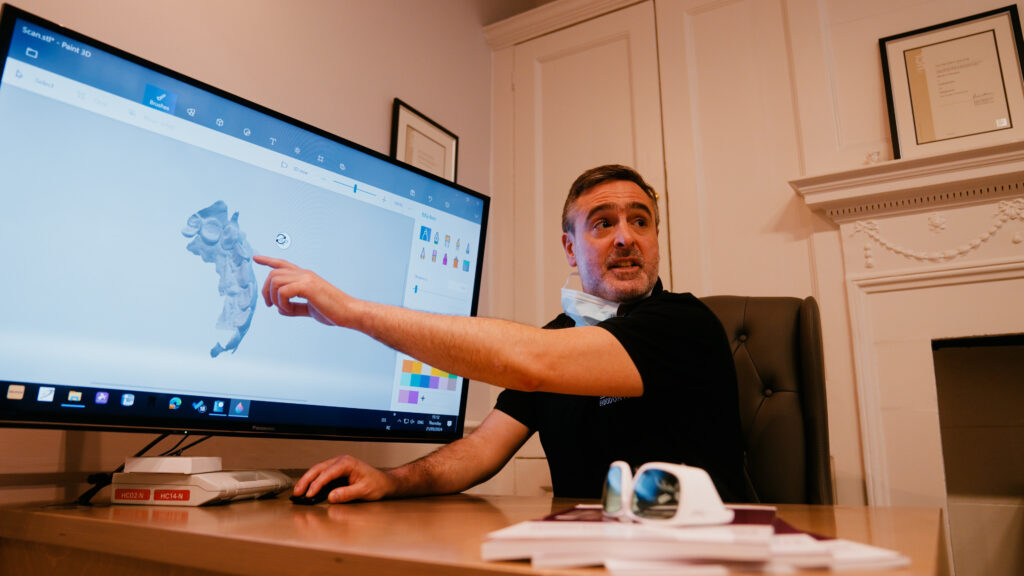
At the Harley Street Academy of Endodontics, we assess dental trauma with a clear, structured approach: specialist examination, vitality testing, and CBCT 3D imaging where indicated. The goal is to make the right call early: preserve the pulp where possible, intervene when necessary, and protect the tooth’s long-term prognosis.
If you’ve had a tooth injury and you’re unsure what you’re dealing with, early assessment gives you the best chance of avoiding infection, pain escalation, and avoidable tooth loss.
What is Dental Trauma?
Dental trauma refers to any injury to a tooth, its nerve, root, or supporting structures following an impact or accident. Damage may be obvious- such as a fracture or displacement- or completely hidden, with internal injury to the pulp or ligament.
Because symptoms can be delayed and external signs can be misleading, early assessment is important for identifying problems that may affect the tooth’s long-term health.
Types of Dental Trauma
Dental trauma can present in several ways, and the type of injury has a direct impact on treatment decisions and long-term prognosis.
Correctly identifying the type of injury is critical. Some trauma can be managed conservatively with monitoring, while other injuries require timely intervention to prevent pulp death, infection, or tooth loss.

Enamel or Dentine Fractures
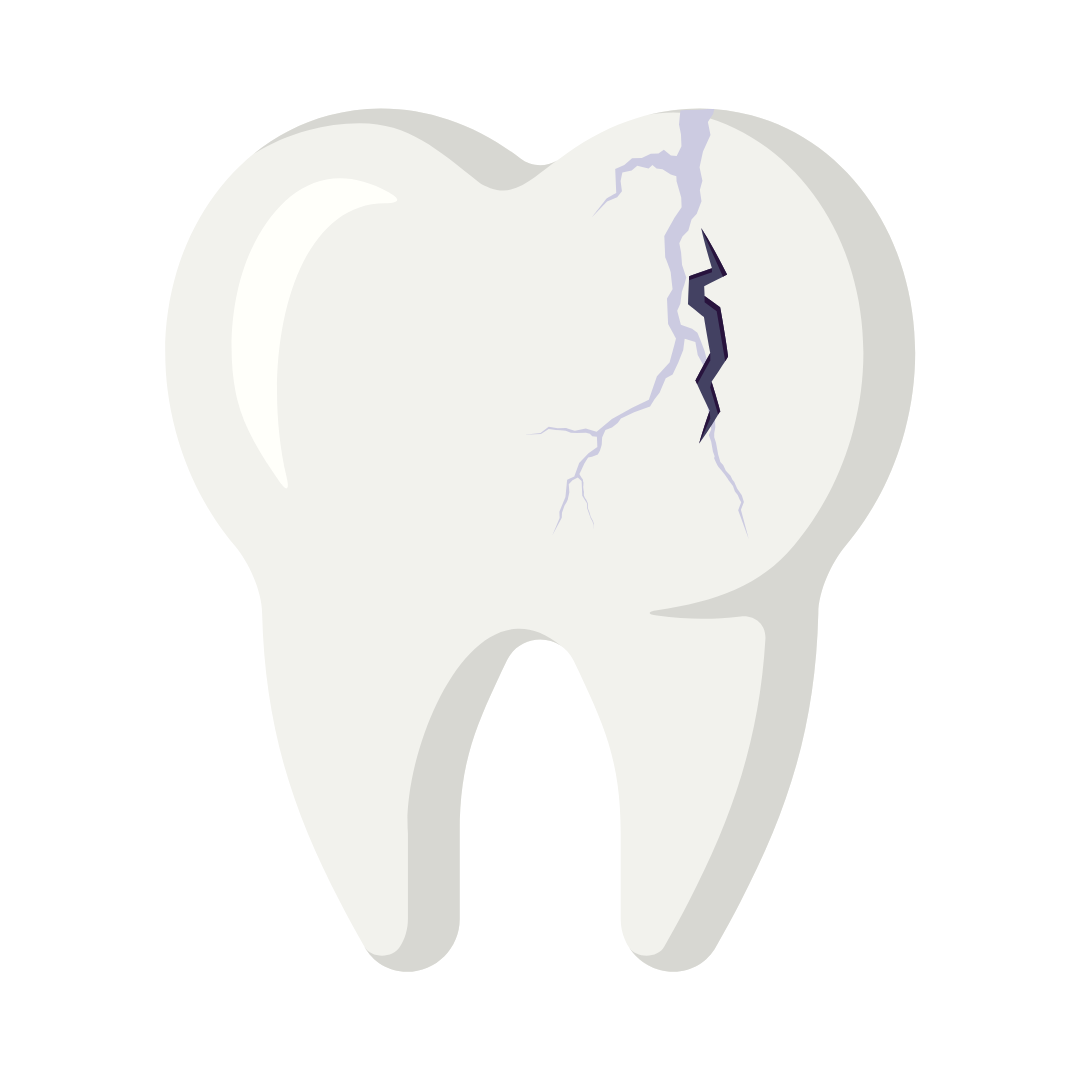
chips or breaks affecting the outer layers of the tooth

Crown Fractures with Pulp Involvement
where the nerve is exposed or compromised

Root Fractures
cracks or splits below the gum line, often difficult to detect
Luxation Injuries
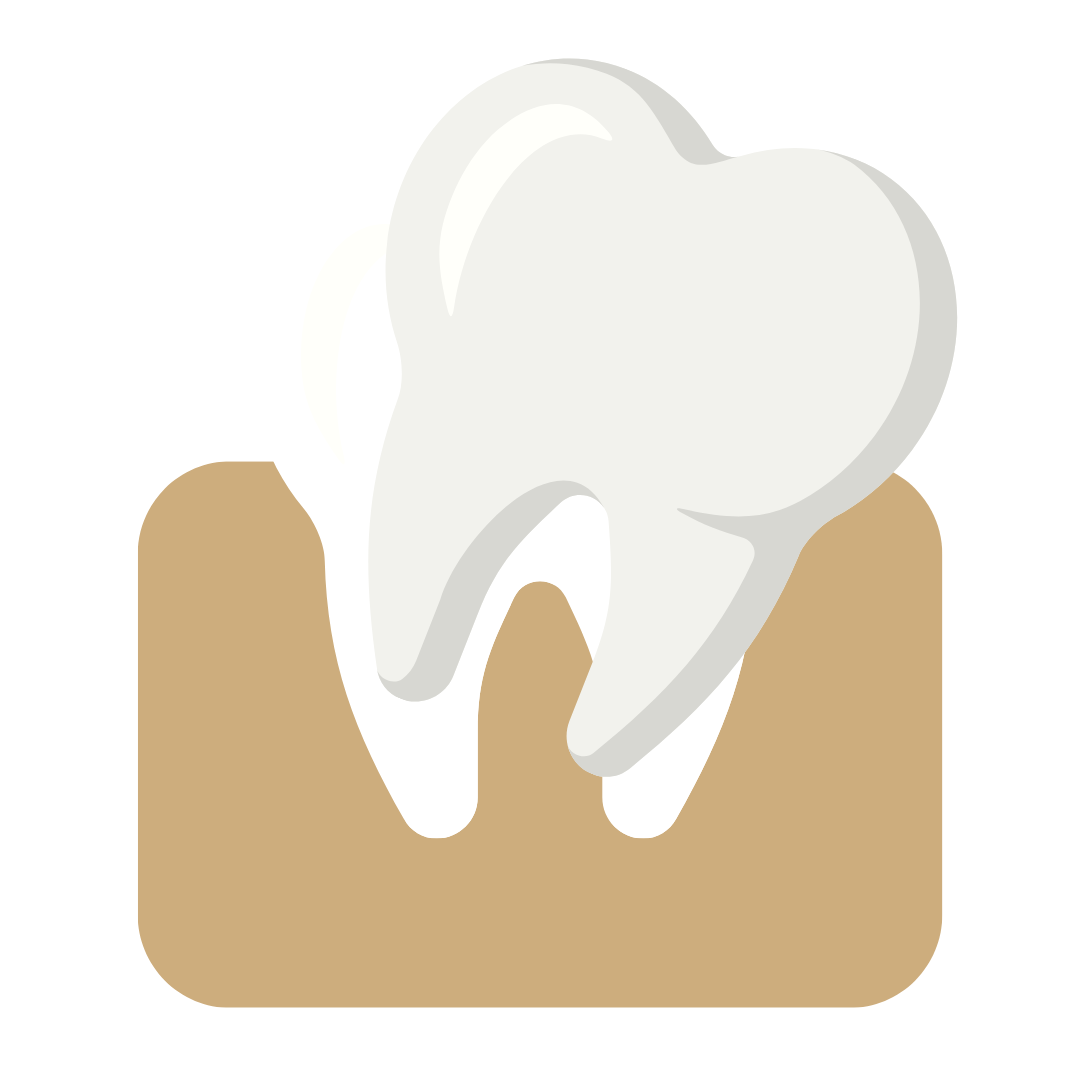
the tooth is loosened, pushed out of position, or driven into the bone

Avulsion
the tooth is completely knocked out
Trauma to Previously Treated Teeth
including crowned or root-treated teeth
Signs and Symptoms of Dental Trauma
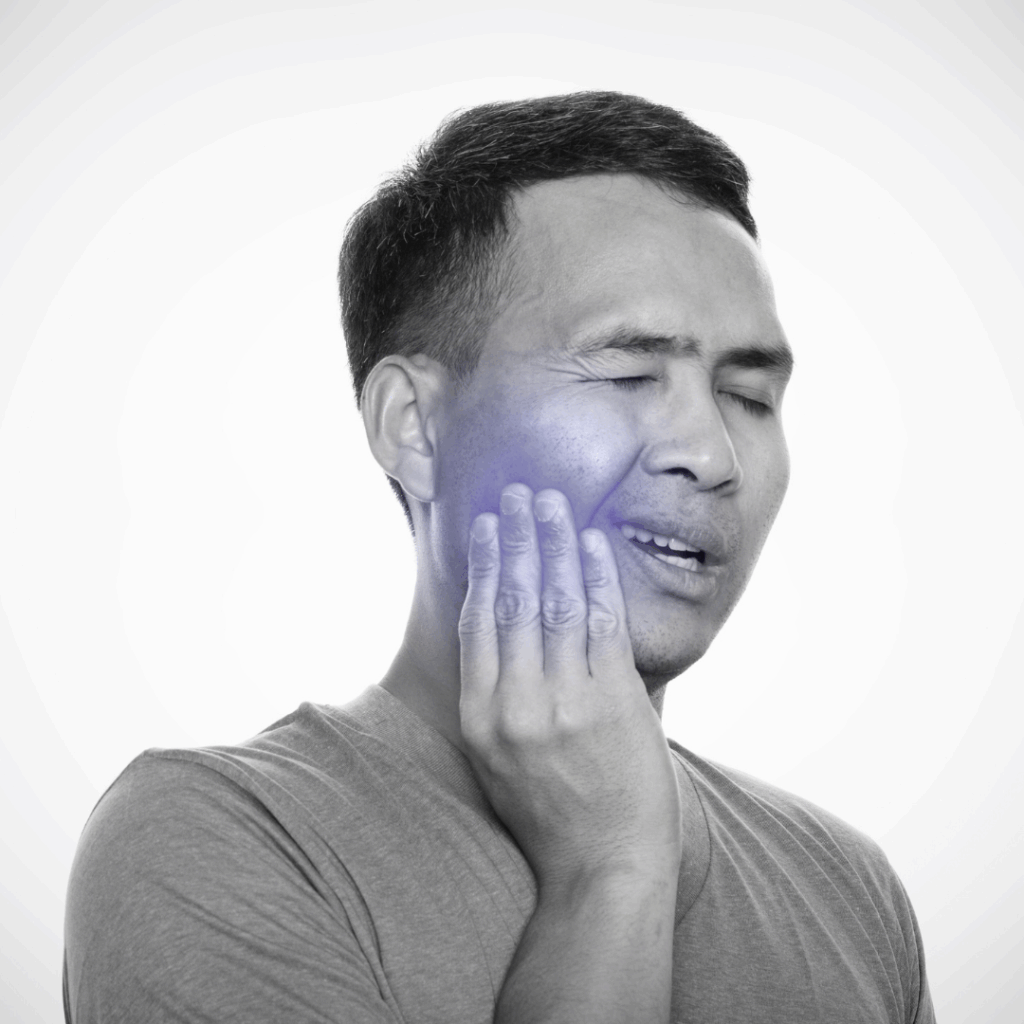
Symptoms after dental trauma can be immediate — or they can appear later, once internal damage begins to declare itself. The absence of pain early on doesn’t always mean the tooth is unharmed.
Common signs to watch for include:
- Pain or tenderness when biting or touching the tooth
- Sensitivity to hot or cold
- A tooth that feels loose or out of position
- Visible chips, cracks, or fractures
- Bleeding or tenderness around the gum
- Swelling in the surrounding tissues
- Colour change of the tooth over time (often darkening)
In some cases, a traumatised tooth may feel normal initially, only developing symptoms weeks or months later as the pulp becomes inflamed or loses vitality. This is why dental trauma should always be assessed and, where appropriate, monitored over time.
If you’ve had a knock to the teeth—even if it seems minor—it’s worth having it checked.
Is Dental Trauma an Emergency?
Dental trauma can be an emergency, but not always in the way people expect. Some injuries need same-day assessment, while others require careful monitoring over time.
Urgent care is recommended if:
- A tooth has been knocked out, displaced, or is very loose
- There is significant pain, bleeding, or swelling
- A fracture has exposed the nerve
- The bite suddenly feels altered
Other injuries may appear minor at first, with little pain or visible damage. However, trauma can disrupt the blood supply to the pulp, leading to delayed nerve damage or infection weeks or months later. Waiting for symptoms to worsen can reduce treatment options.
The safest approach after any dental injury is early assessment. This allows us to document the injury, establish a baseline, and intervene promptly if changes occur- rather than reacting once complications have developed.
How we treat dental trauma at Endo Academy
Treatment after dental trauma depends on the type of injury, the condition of the pulp, and timing. There is no single protocol that fits every case. The aim is to preserve the tooth where possible and intervene only when biology dictates.
Dental trauma is rarely static. Treatment decisions are often staged, guided by clinical findings and follow-up rather than assumptions made on day one. This measured approach protects long-term outcomes and avoids overtreatment.
At Endo Academy, treatment may involve:
Conservative Monitoring
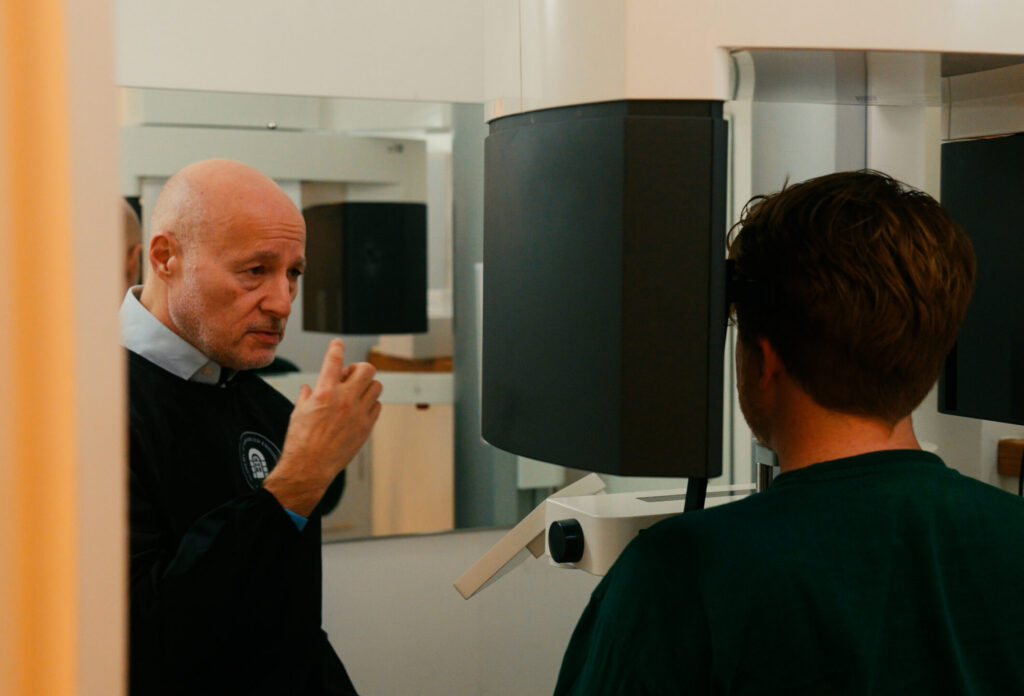
Many traumatised teeth can be observed safely with structured follow-up. Where the pulp remains healthy, careful monitoring allows healing while avoiding unnecessary intervention.
Stabilisation and Support
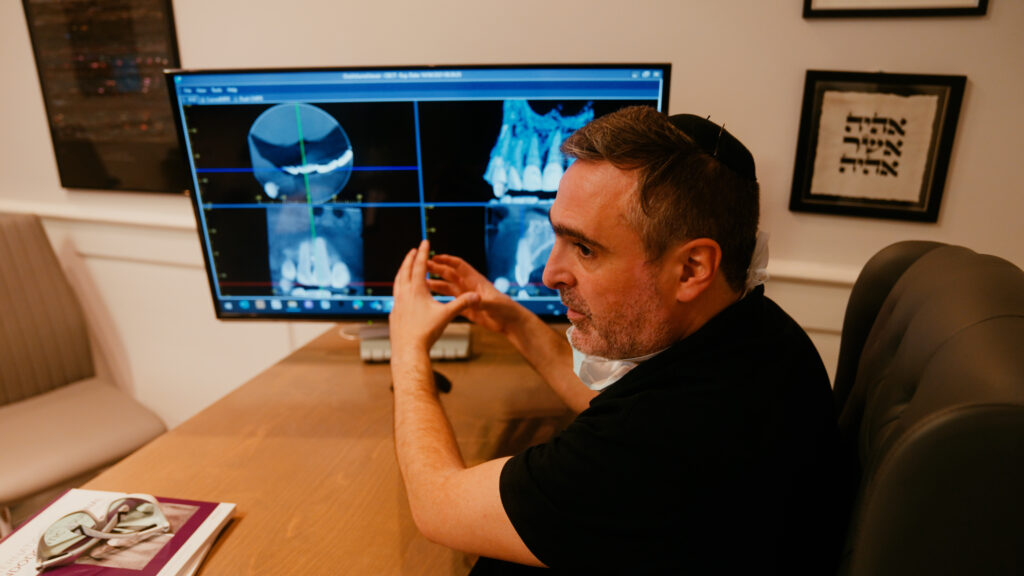
Displaced or mobile teeth may require stabilisation to allow the supporting tissues to heal. This is coordinated carefully to protect the pulp and surrounding bone.
Root Canal Treatment Following Trauma
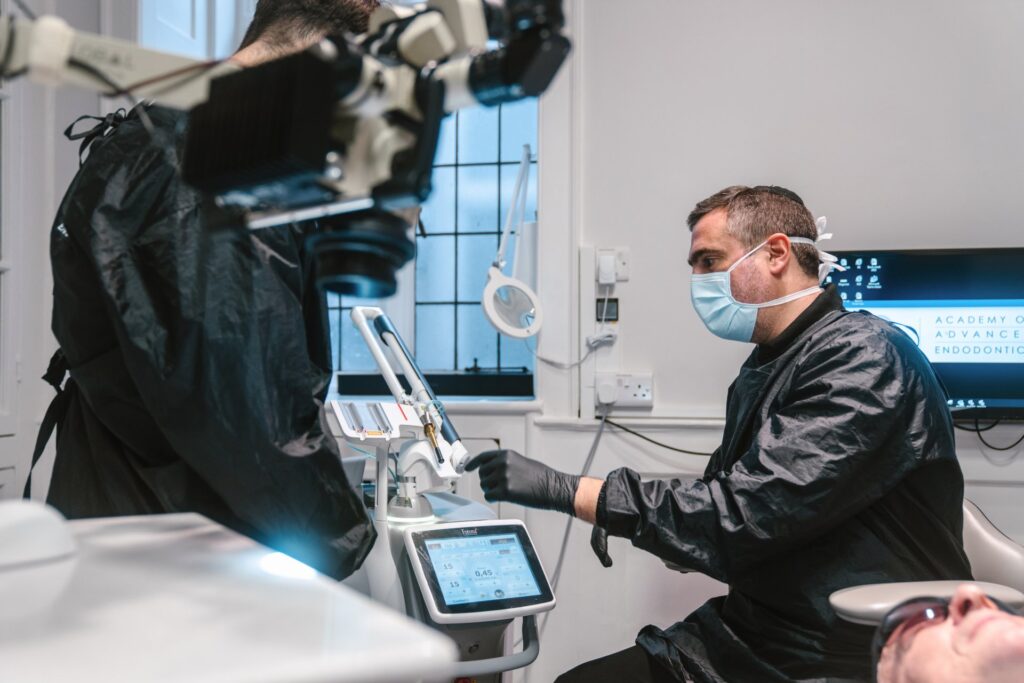
If the pulp becomes irreversibly inflamed or loses vitality, root canal treatment is indicated. This removes damaged tissue, disinfects the canal system, and prevents infection developing later.
Management of Previously Treated Teeth
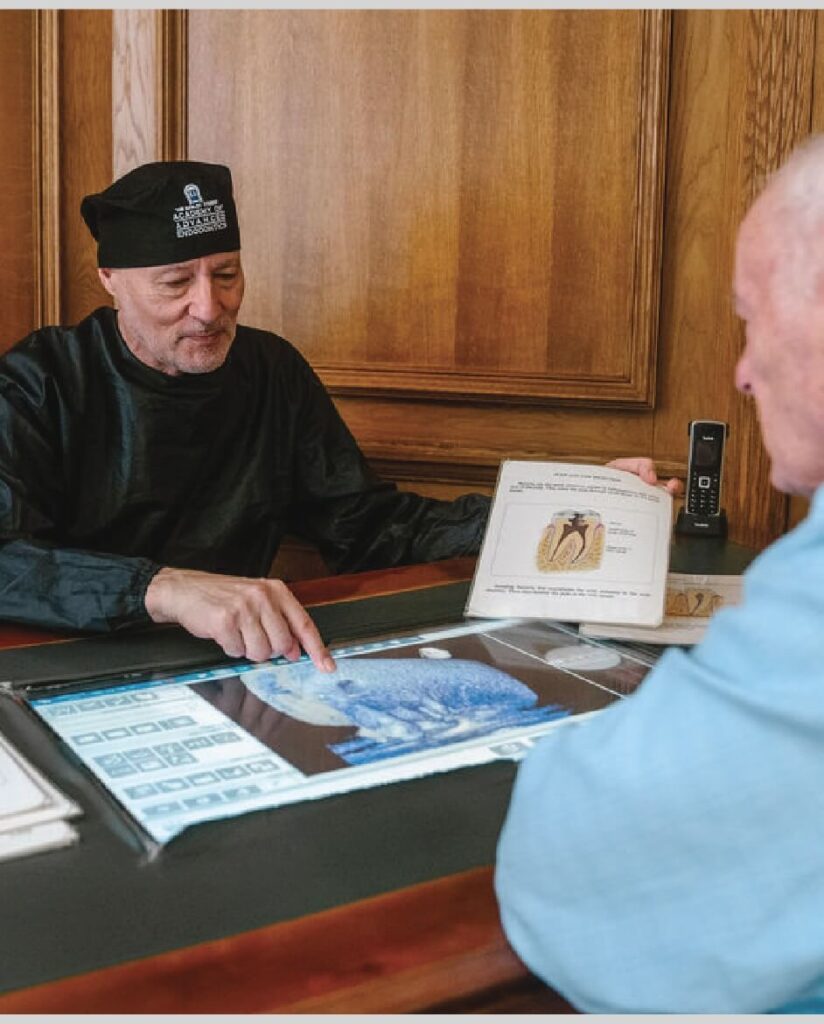
Teeth that have crowns, posts, or previous root canal treatment can respond differently to trauma. These cases require individual assessment to determine whether retreatment or surgical management is needed.
Surgical Intervention in Selected Cases

In complex root injuries or persistent pathology, microsurgical treatment may be recommended. This is considered only when conservative options are no longer predictable.
Our location
99 Harley Street
Strategically located at the heart of London’s renowned medical district, the Academy of Advanced Endodontics enjoys its position on prestigious Harley Street, ensuring easy accessibility and a prime setting for patients and practitioners alike.
FAQs
Answering our most commonly asked questions.
What should I do immediately after a dental injury?
If a tooth has been knocked out, displaced, or is very loose, seek urgent dental care the same day. If possible, avoid touching the root of a knocked-out tooth and keep it moist (in water or milk) while getting help. For less obvious injuries, arrange an assessment as soon as possible — early documentation matters.
Can a knocked-out tooth be saved?
Sometimes, yes. The outcome depends on how quickly the tooth is replanted, how it’s handled, and the condition of the supporting tissues. Even when replantation is successful, specialist follow-up is essential to monitor healing and manage complications.
Does dental trauma always require root canal treatment?
No. Many traumatised teeth can be preserved without root canal treatment, particularly if the pulp remains healthy. Root canal treatment is only recommended if the nerve becomes irreversibly damaged or infected.
Why does a tooth change colour after trauma?
Colour change can indicate bleeding inside the tooth or loss of vitality. Not all colour changes require immediate treatment, but they should always be assessed and monitored, as they may signal underlying pulp damage.
Can trauma cause problems years later?
Yes. Dental trauma can lead to delayed complications such as pulp necrosis, infection, or root resorption. This is why structured follow-up is important, even when early symptoms settle.
What if the tooth was already crowned or root-treated?
Previously treated teeth can respond differently to trauma. Crowns, posts, or existing root canal treatment may complicate diagnosis and management, and these cases benefit from specialist assessment and imaging.
Is dental trauma always painful?
No. Some significant injuries cause little or no pain initially. Lack of pain does not mean the tooth is healthy. Internal damage can still occur and may only become apparent later.
How long does a traumatised tooth need to be monitored?
Follow-up can range from months to several years, depending on the injury. Monitoring allows early detection of changes and intervention only when necessary.
Still have a question?
Subscribe to our newsletter
Stay up to date with our latest news and events.
By clicking Sign Up you’re confirming that you agree with our Terms and Conditions.