
Resorption Treatment

in London (Harley Street)

5 Stars

From 220+ Google Reviews

What is Resorption?

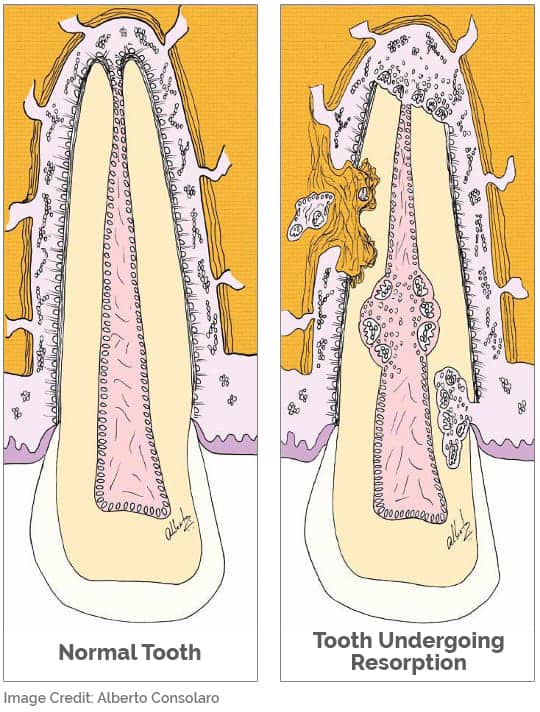
Tooth resorption is a condition where the body begins breaking down and removing part of the tooth structure itself. In simple terms, the tooth starts dissolving from the inside or outside.

This process can affect the root, the internal canal space, or the area around the gum line. Some forms progress slowly and remain stable for years. Others can become aggressive and lead to significant structural damage if left untreated.

There are two main categories of resorption:

Internal resorption, which begins inside the tooth within the pulp canal system.

External resorption, which starts on the outer surface of the tooth or root and is often more difficult to detect early.

Specialist endodontists • CBCT-guided care • Fixed transparent fees

Why to Remain Aware:

One of the challenges with tooth resorption is that it often develops quietly. Many patients experience little or no pain in the early stages, and small lesions may not be visible on routine X-rays. In some cases, the condition is only discovered incidentally during specialist imaging or assessment.

Why Early Diagnosis Matters:

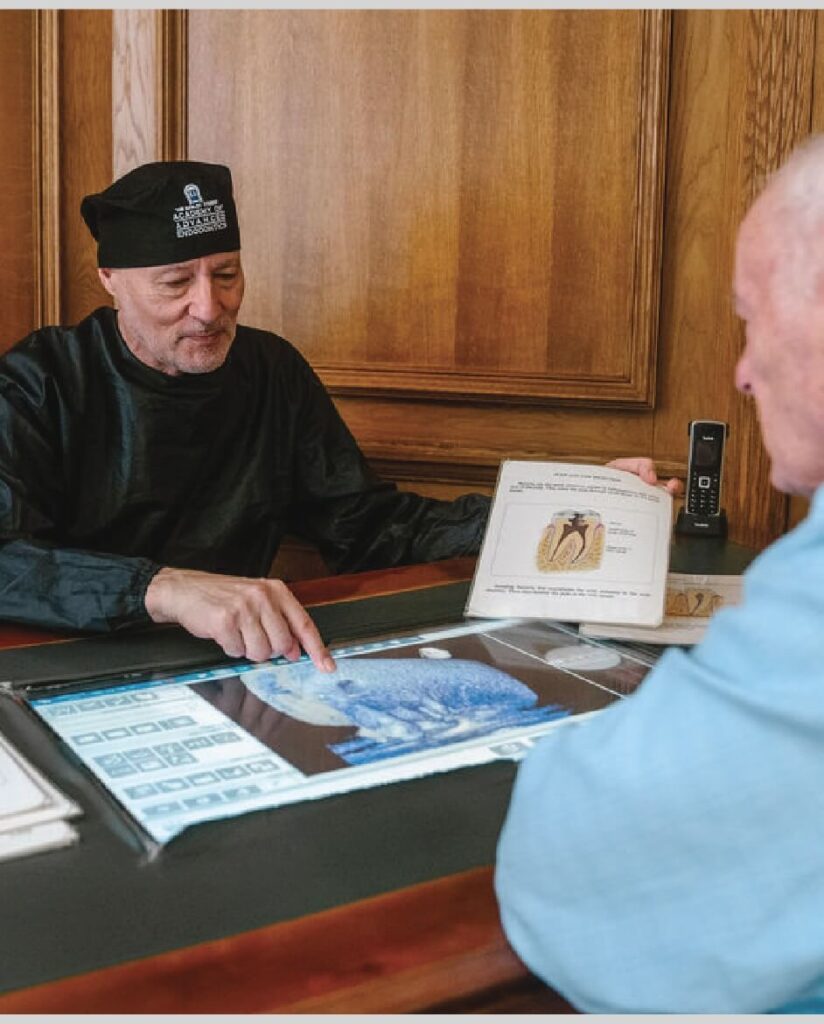
Early diagnosis matters because treatment becomes more difficult as resorption progresses. At Endo Academy, we use specialist testing, microscope-led examination, and CBCT 3D imaging to identify the type, location, and extent of resorption accurately, allowing us to recommend the most predictable approach for preserving the tooth wherever possible.

Types of Tooth Resorption

Not all resorption behaves the same way. Some forms remain slow and manageable for years, while others can progress rapidly and compromise the tooth before obvious symptoms appear.

Correctly identifying the type of resorption is critical because treatment, prognosis, and long-term stability can vary significantly.

Internal
resorption

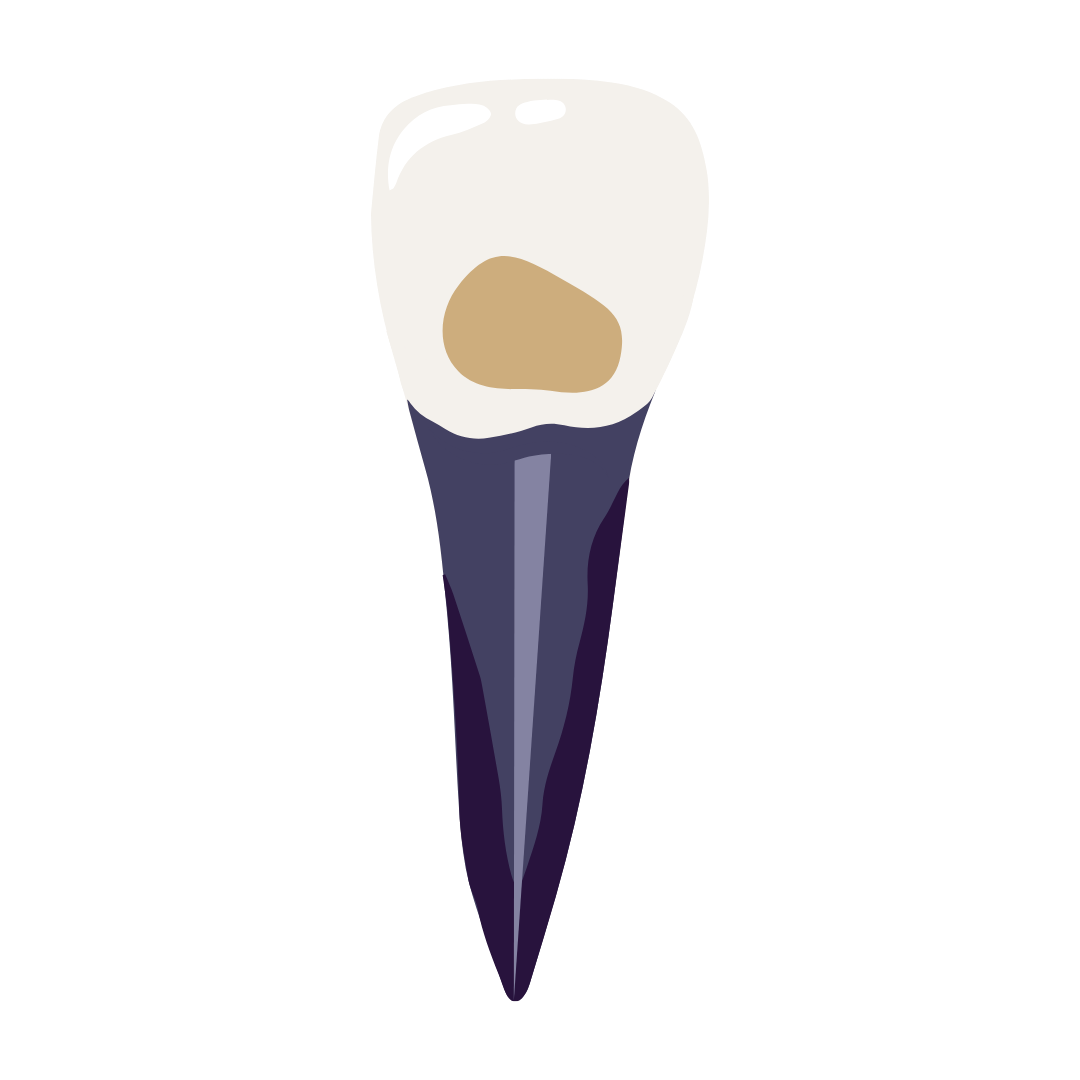
Internal resorption begins from within the tooth, usually inside the pulp canal system. It occurs when inflammatory processes within the pulp start breaking down the internal dentine walls.

In early stages, it may cause no symptoms at all. Sometimes a pink discolouration of the tooth becomes visible as the internal structure thins.

When diagnosed early, internal resorption can often be stabilised with root canal treatment before significant structural damage occurs.
External cervical resorption

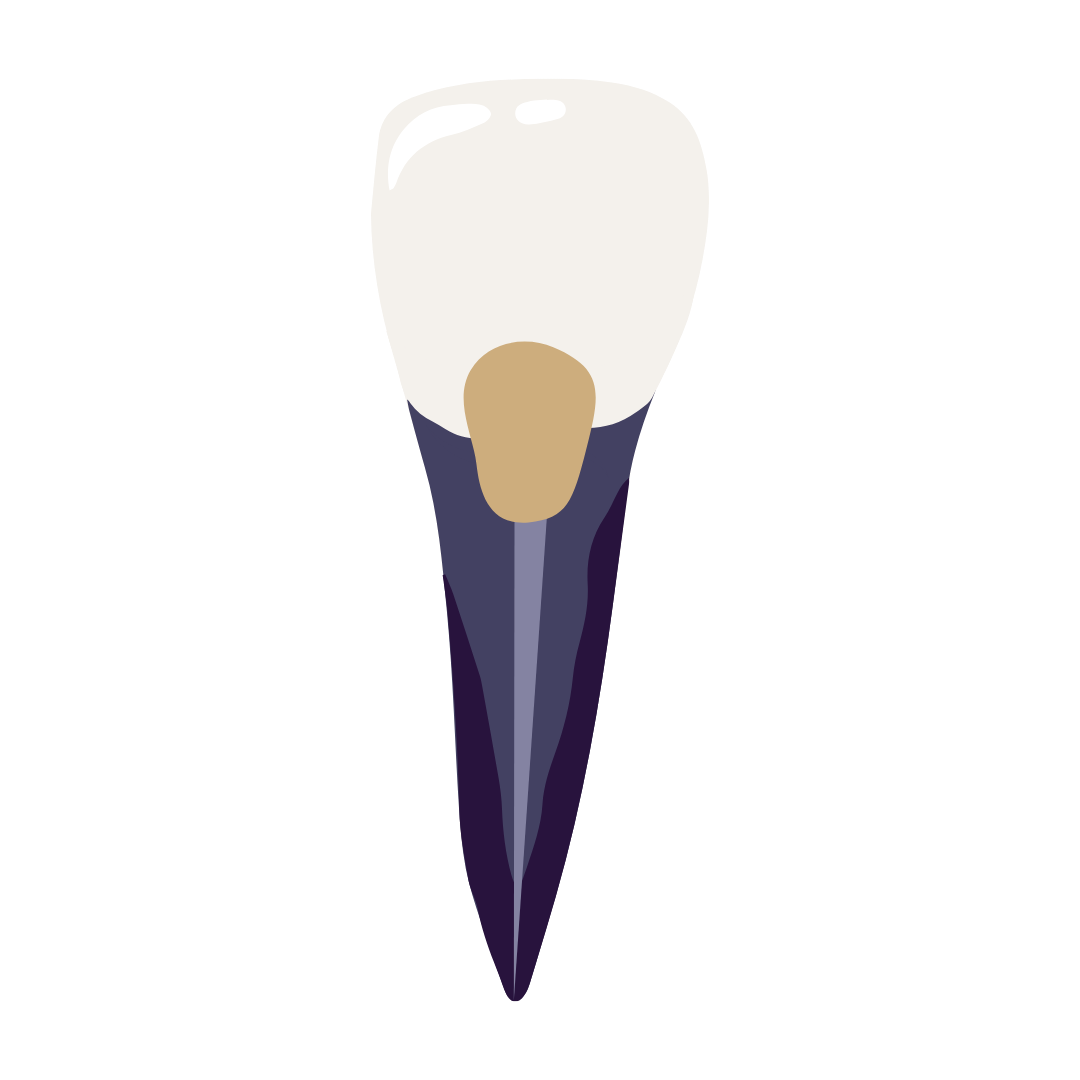
External cervical resorption (ECR) develops on the outside of the tooth, typically near the gum line where the enamel and root surface meet.

This form of resorption is particularly challenging because it can spread extensively beneath the surface while remaining difficult to detect clinically. It is often mistaken for decay, staining, or a defective filling.

Treatment depends on the size, location, and accessibility of the lesion. Early diagnosis significantly improves the chances of preserving the tooth.
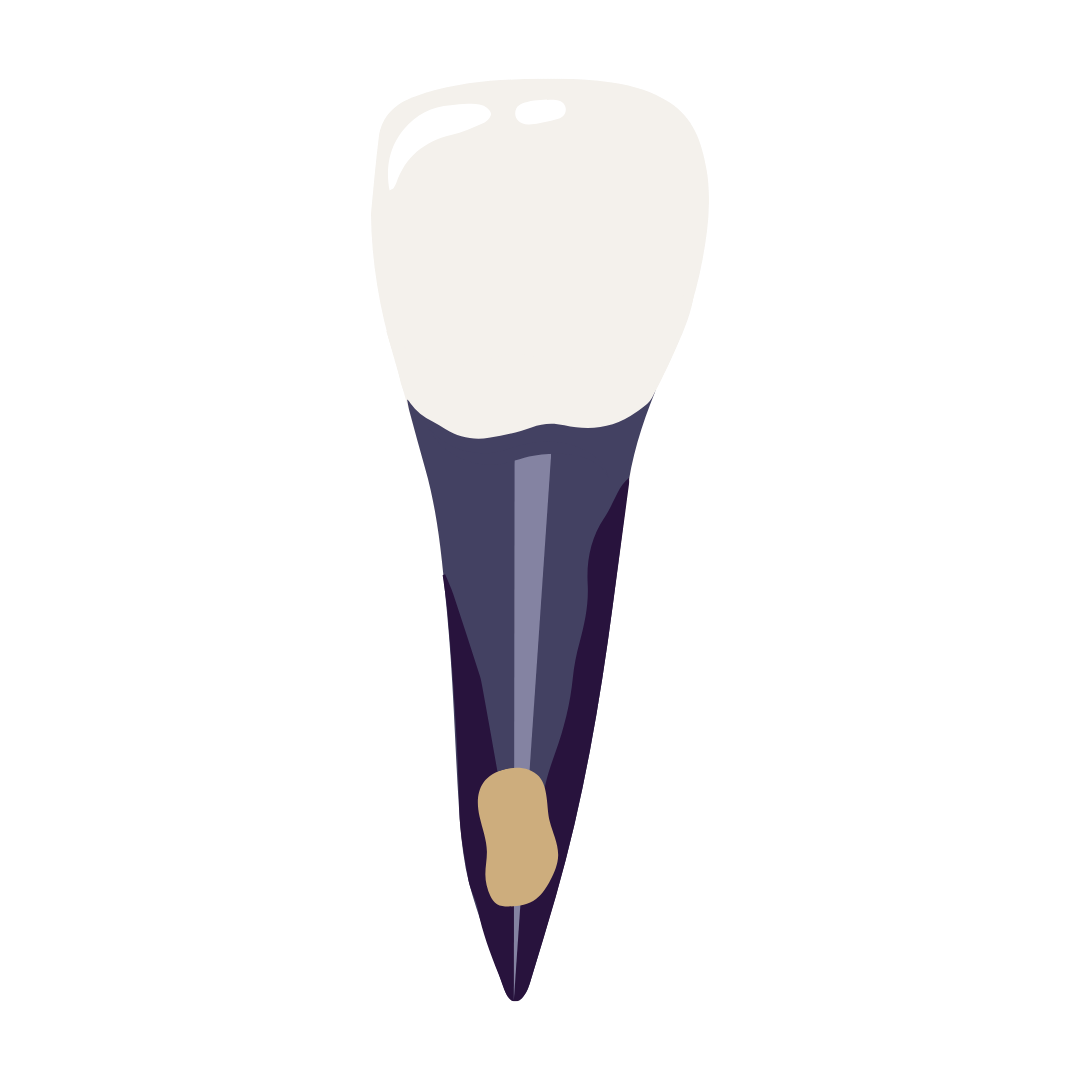
External inflammatory resorption

This type of resorption is usually associated with trauma, infection, or prolonged inflammation around the tooth root.

The body begins breaking down the external root surface in response to irritation or bacterial stimulation. If left untreated, the process can progress quickly and lead to shortening or weakening of the root.

Management often involves removing the source of inflammation through root canal treatment and careful long-term monitoring.
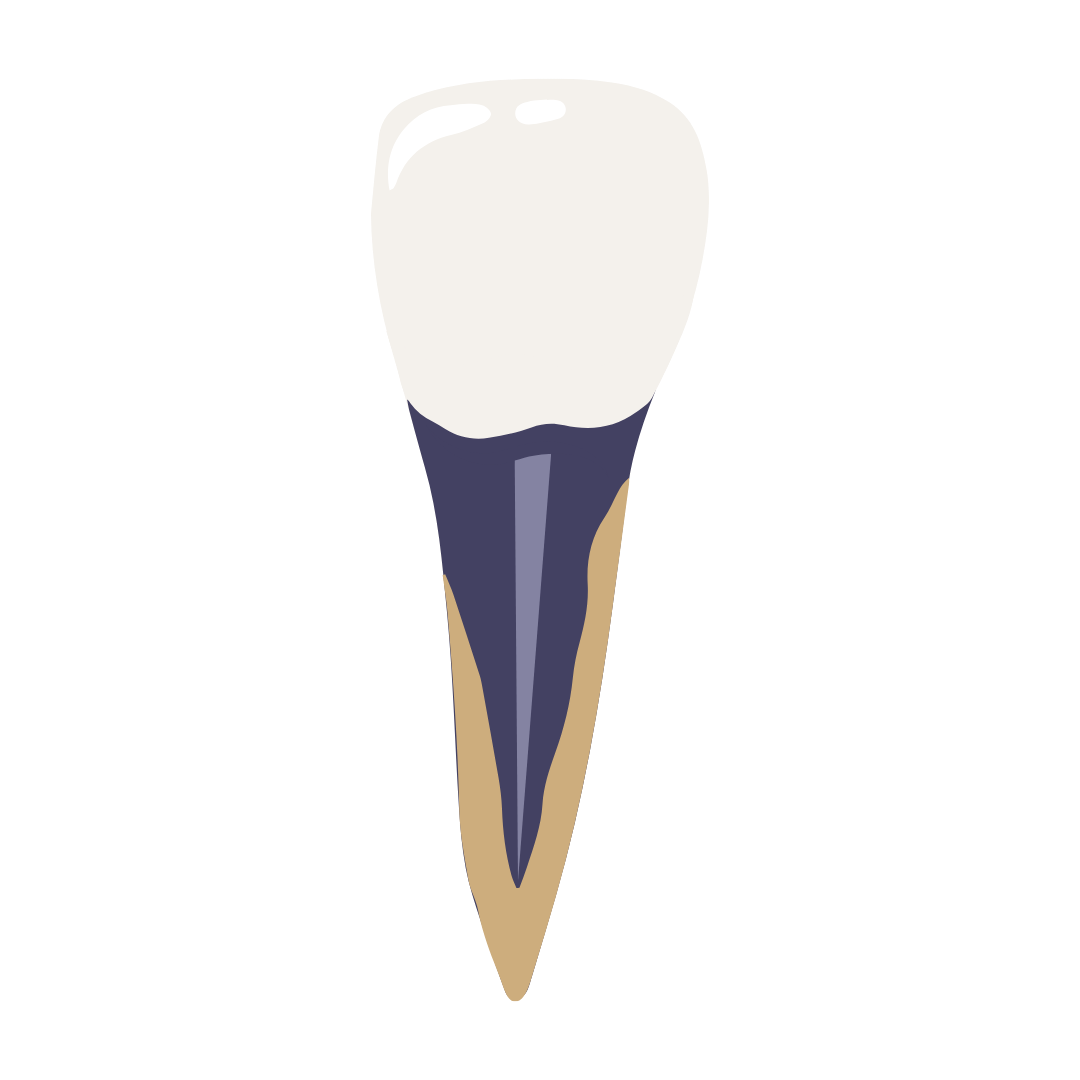
Replacement resorption (ankylosis)

Replacement resorption occurs when the body gradually replaces the root surface with bone. The tooth effectively becomes fused to the surrounding bone structure.

This is most commonly seen after significant dental trauma, particularly avulsion injuries where a tooth has been knocked out and replanted.

Unfortunately, replacement resorption cannot usually be reversed. Management focuses on monitoring progression and preserving function for as long as possible.
Symptoms of Tooth Resorption

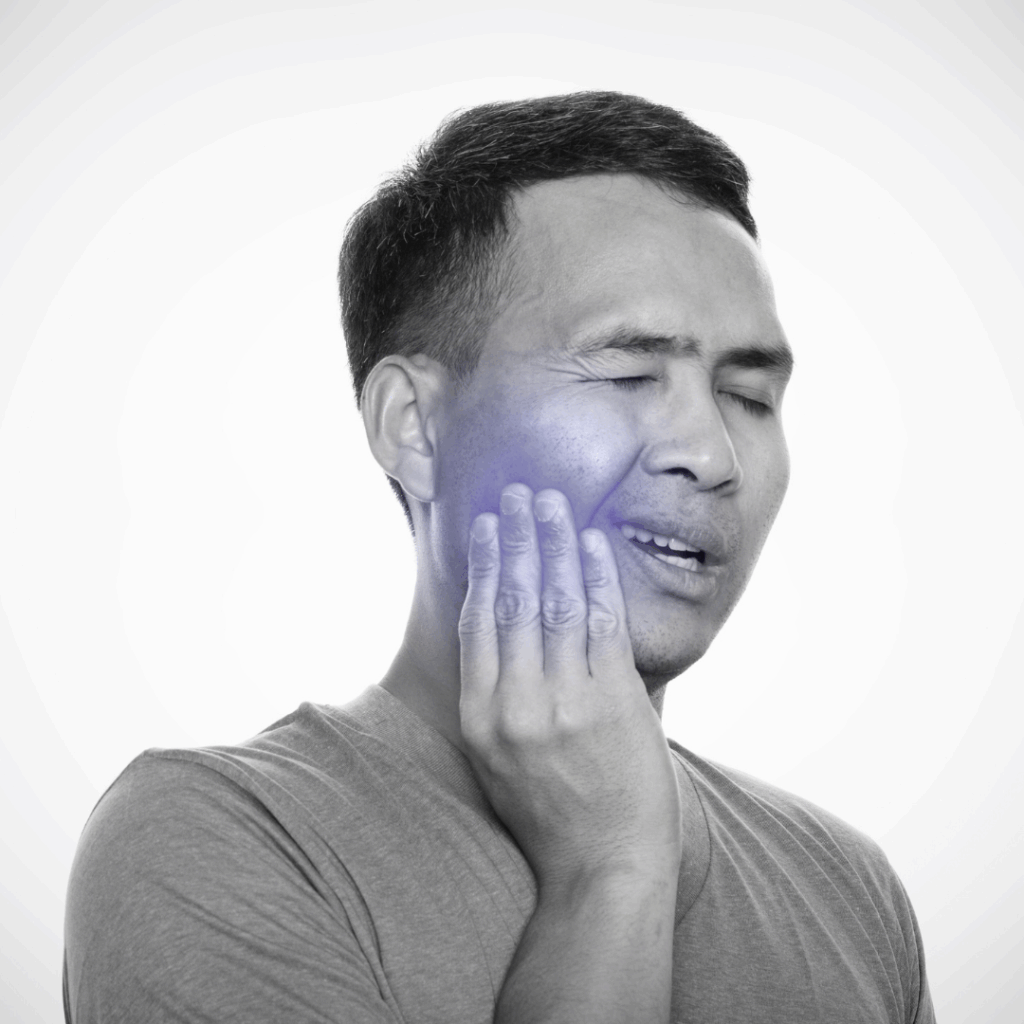
Tooth resorption can be surprisingly difficult to spot early. Some cases remain completely silent for months or even years, while others present with symptoms that are vague, intermittent, or easily mistaken for other dental problems.

In many cases, particularly with external cervical resorption, the tooth may appear relatively normal externally while significant structural damage develops beneath the surface.

Some patients experience no symptoms at all, and the lesion is only identified during routine X-rays or CBCT imaging.

Common signs and symptoms may include:

  • Sensitivity to hot or cold
  • Tenderness when biting or chewing
  • A tooth that feels different or “hollow”
  • Pink or dark discolouration of the tooth
  • Swelling or inflammation around the gum
  • Recurrent gum bleeding near one tooth
  • A visible defect or cavity-like area near the gum line
  • Persistent discomfort that seems difficult to localise

What Causes Tooth Resorption?

Tooth resorption develops when the body’s normal repair and inflammatory processes become disrupted, leading to the gradual breakdown of tooth structure.

In many cases, there isn’t one single cause. Resorption is often associated with previous irritation, trauma, or damage to the protective layers surrounding the tooth root.

Sometimes, however, resorption appears without any obvious explanation. Teeth with no history of trauma, decay, or treatment can still develop resorptive lesions. This unpredictability is part of what makes diagnosis and management so challenging.

Common contributing factors include:

  • Dental trauma or previous injury to the tooth
  • Orthodontic treatment and tooth movement
  • Chronic inflammation or infection around the root
  • Cracks or structural damage to the tooth
  • xPrevious dental procedures or internal bleaching
  • Impacted teeth or pressure from neighbouring teeth
  • History of root canal treatment
  • Gum inflammation affecting the root surface

How we Treat Tooth Resorption at The Academy of Advanced Endodontics

Treatment for tooth resorption depends entirely on the type, location, and extent of the lesion. Some cases can be managed conservatively and monitored for years. Others require immediate intervention to prevent further structural loss.

At Endo Academy, treatment begins with careful diagnosis and a structured, specialist-led approach.

1

Specialist diagnostics and CBCT imaging

Every case starts with a detailed clinical examination and targeted imaging. Where indicated, CBCT 3D scans allow us to assess the true size and position of the lesion, evaluate surrounding bone, and determine whether the pulp or root structure has been compromised.

This level of detail is critical for accurate treatment planning.

2

Microscope-led assessment and treatment

Resorptive defects are often irregular, hidden, and technically demanding to access. Using high magnification allows us to visualise lesions more precisely and preserve as much healthy tooth structure as possible during treatment.

3

Conservative management where possible

Not every resorptive lesion requires aggressive treatment. In selected cases, monitoring and stabilisation may be appropriate if the lesion is inactive or progressing slowly.

Our aim is always to preserve the natural tooth predictably, not intervene unnecessarily.

4

Root canal treatment when the pulp is involved

If resorption has reached the pulp canal system or caused irreversible inflammation, root canal treatment may be required.

Using modern disinfection protocols and microscope-led techniques, we clean the canals thoroughly and seal them to prevent bacterial contamination and further progression.

5

Surgical management in selected cases

Some external resorptive lesions require surgical access to allow direct cleaning and restoration of the defect. This is particularly common with advanced external cervical resorption.

Where possible, we remove the resorptive tissue, restore the defect, and preserve the tooth structure beneath.

6

Restoration and long-term monitoring

After treatment, ongoing monitoring is essential. Resorption can behave unpredictably, and long-term reviews allow us to assess stability and detect changes early.

We also coordinate closely with your general dentist regarding any crowns or restorations needed to protect the tooth long term.

Our goal is simple: preserve healthy teeth wherever possible using the most conservative and predictable treatment approach available.

Why choose The Endo Academy on Harley Street

  • Specialist endodontists with academic and teaching backgrounds
  • Microscope-led care for every case, routine or complex
  • CBCT 3D imaging when indicated for precise diagnosis and planning
  • Laser-assisted disinfection to target bacteria beyond instruments
  • Fixed, transparent fees and written treatment reports
  • Calm, patient-first experience: we pace, explain, and check comfort
  • Harley Street location with reliable appointment availability

Costs & Payment Options

At your consultation, we confirm the exact price before treatment and outline what’s included:

  • Specialist assessment and targeted imaging (CBCT when indicated)
  • Rubber dam isolation and microscope-led treatment
  • Advanced irrigation and laser-assisted disinfection
  • Obturation and a high-quality temporary or permanent restoration
  • A written report for you and your dentist


What’s not included: the final crown or onlay. This is usually completed by your general dentist once the molar has settled, and we coordinate closely with them to ensure the tooth is protected long term.

0% finance with Tabeo

FAQs

Answering our most commonly asked questions.

Tooth resorption is a condition where the body begins breaking down and removing part of the tooth structure. It can occur internally within the canal system or externally on the root surface and surrounding areas of the tooth.

It can be. Some forms of resorption progress slowly and remain manageable for years, while others can cause significant structural damage if left untreated. Early diagnosis is important because smaller lesions are often more predictable to manage.

No. Once tooth structure has been resorbed, it cannot regenerate naturally. Treatment focuses on stopping or slowing progression, preserving remaining tooth structure, and maintaining long-term function where possible.

Resorption may be associated with trauma, orthodontic treatment, infection, cracks, previous dental procedures, or inflammation around the root surface. In some cases, however, no obvious cause can be identified.

External cervical resorption (ECR) is a form of external resorption that begins near the gum line on the outer surface of the tooth. It can spread extensively beneath the surface while remaining difficult to detect early.

Sometimes, but not always. Some patients experience sensitivity, biting discomfort, or gum irritation, while others have no symptoms at all. Many cases are discovered incidentally during routine imaging or specialist examination.

Often, yes, particularly when the lesion is identified early. Prognosis depends on the type, size, location, and extent of the resorption, as well as how much healthy tooth structure remains.

Diagnosis usually involves clinical examination, targeted X-rays, and often CBCT 3D imaging. CBCT scans are especially useful because they allow us to assess the true size and position of the lesion in three dimensions.

Resorptive lesions are frequently hidden or difficult to interpret on standard two-dimensional X-rays. CBCT imaging provides a much more accurate view of the lesion, surrounding bone, and root structure, helping guide treatment decisions more predictably.

No. Some lesions can be managed without root canal treatment if the pulp remains healthy. However, if the resorption has reached the pulp or caused irreversible inflammation, root canal treatment may be necessary.

Minor root shortening can occasionally occur during orthodontic tooth movement. In most cases this is mild and stable, but more significant resorption can develop in susceptible individuals or complex cases.

Untreated resorption may continue progressing, leading to weakening of the tooth, infection, fracture, or eventual tooth loss. Early intervention usually provides more conservative and predictable treatment options.

No. Many teeth affected by resorption can be treated and maintained successfully. Extraction is generally considered only when the lesion is too advanced or the remaining tooth structure is no longer predictably restorable.

In some cases, yes. Certain forms of resorption can remain active or recur over time, which is why long-term monitoring and follow-up imaging are important after treatment.

Resorption cases are often technically demanding and benefit from specialist assessment. Accurate diagnosis, CBCT imaging, microscope-led treatment, and careful long-term planning can significantly improve predictability and treatment outcomes.

Still have a question?

If you still have additional questions, please don’t hesitate to call us or submit an appointment request form and we’ll get back to you as soon as possible.

Our location

99 Harley Street

Strategically located at the heart of London’s renowned medical district, the Academy of Advanced Endodontics enjoys its position on prestigious Harley Street, ensuring easy accessibility and a prime setting for patients and practitioners alike.

Subscribe to our newsletter

Stay up to date with our latest news and events.

By clicking Sign Up you’re confirming that you agree with our Terms and Conditions.

Follow us on Instagram