
Tooth Abscess Treatment
in London (Harley Street)
A Phoenix abscess is exactly what its name suggests: an old problem that suddenly flares back to life.
It occurs when a long-standing, often symptom-free infection at the tip of a tooth root becomes acutely inflamed, causing pain, swelling, and tenderness that can seem to appear overnight. While the symptoms may be new, the underlying infection has usually been present for some time.
At The Academy of Advanced Endodontics on Harley Street, we specialise in diagnosing and treating complex endodontic infections, including Phoenix abscesses. Using advanced clinical testing, CBCT 3D imaging, and microscope-led root canal treatment, we identify the source of the flare-up and treat it precisely, with the aim of relieving pain, eliminating infection, and preserving your natural tooth wherever possible.
Specialist endodontists • CBCT-guided care • Fixed transparent fees
What Is a Phoenix Abscess?
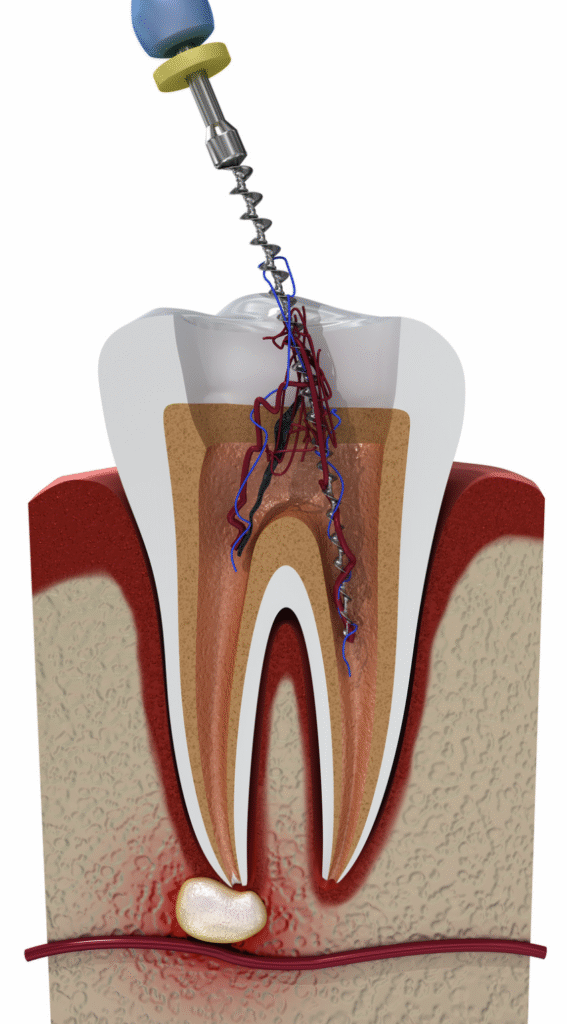
A Phoenix abscess is a sudden flare-up of a long-standing infection at the tip of a tooth root. While the pain and swelling may appear suddenly, the underlying infection has often been present for months or even years without causing noticeable symptoms.
This type of abscess usually develops around a tooth with an infected or previously treated pulp. The body may have been keeping the infection under control for some time, until a change in the balance between the bacteria and your immune system causes the area to become acutely inflamed.
The result is a tooth that can go from feeling perfectly comfortable to becoming painful to bite on, tender, and swollen in a relatively short space of time.
The term Phoenix abscess comes from the mythical phoenix rising from the ashes. Much like the legend, a seemingly quiet or dormant infection suddenly “comes back to life.”
Although the symptoms can be alarming, Phoenix abscesses can often be treated successfully with prompt specialist care. The aim is to eliminate the source of the infection while preserving your natural tooth wherever possible.
What Causes a Phoenix Abscess?
A Phoenix abscess doesn’t develop because of a new infection. Instead, it occurs when a pre-existing chronic infection suddenly becomes active.
This can happen when bacteria that have been present around the root tip for some time trigger a stronger inflammatory response from the body. The infection itself may not have changed significantly, but the balance between the bacteria and your immune system has.
Common causes include:
An untreated infected pulp (the nerve inside the tooth)
Previous root canal treatment that has not healed completely
Bacteria remaining within a complex root canal system
A leaking filling or crown allowing bacteria to re-enter the tooth
Occasionally, irritation during root canal treatment can trigger a temporary flare-up of an existing lesion
The important thing to understand is that the infection was already there. The sudden pain and swelling simply indicate that it has become active.
Prompt diagnosis and treatment allow us to remove the source of the infection, relieve symptoms, and give the tooth the best chance of long-term healing.
Signs and Symptoms of a Phoenix Abscess
One of the defining features of a Phoenix abscess is how suddenly symptoms can appear. A tooth that has been quiet for months—or even years—can become painful over the course of a day or two.
Many patients are surprised because the tooth may never have caused significant problems before the flare-up.
If you experience sudden pain or swelling around a previously treated or long-standing tooth, it’s important to seek prompt assessment. Early treatment can relieve discomfort, control the infection, and improve the chances of preserving the tooth.
Common signs and symptoms include:
- Severe, throbbing toothache
- Pain when biting or chewing
- Tenderness when the tooth is touched
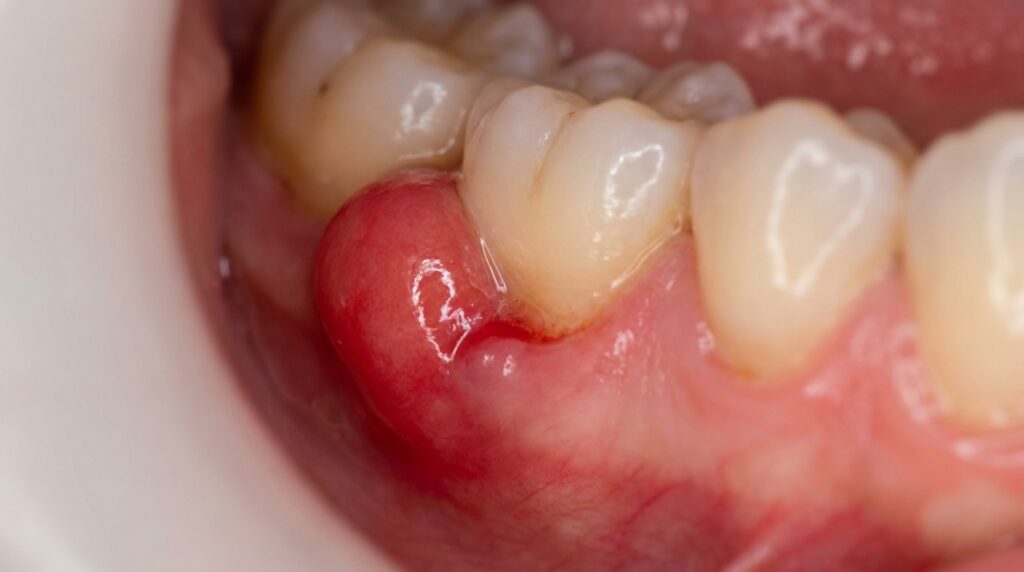
- Swelling of the gum around the affected tooth
- Swelling of the face or jaw in more advanced cases
- A feeling that the tooth is “high” or raised when biting
- Occasionally, a bad taste or discharge if the abscess begins to drain


How Is a Phoenix Abscess Different from a Tooth Abscess?
A Phoenix abscess is a type of tooth abscess, but it develops in a very specific way.
A typical tooth abscess often forms when bacteria first infect the pulp of a tooth through deep decay, trauma, or a crack. A Phoenix abscess, however, occurs when a pre-existing chronic infection suddenly flares up, causing acute pain and swelling.
The underlying infection has usually been present for some time, even if the tooth has been comfortable.
Tooth Abscess
Often caused by a new bacterial infection
May develop after decay, trauma, or a crack
Infection develops and symptoms appear
Pain and swelling often develop together
Phoenix Abscess
A flare-up of an existing chronic infection
Usually associated with a long-standing infected or previously treated tooth
Infection already exists but suddenly becomes active
A previously quiet tooth becomes acutely painful
Although the symptoms may feel similar, understanding the underlying cause helps determine the most appropriate treatment.
At Endo Academy, we use specialist examination and CBCT 3D imaging to identify the source of the infection and develop the most predictable treatment plan.
How We Diagnose and Treat a Phoenix Abscess
Treating a Phoenix abscess begins with identifying exactly why the infection has flared up. While the symptoms may appear suddenly, the underlying cause is often more complex than it first appears.
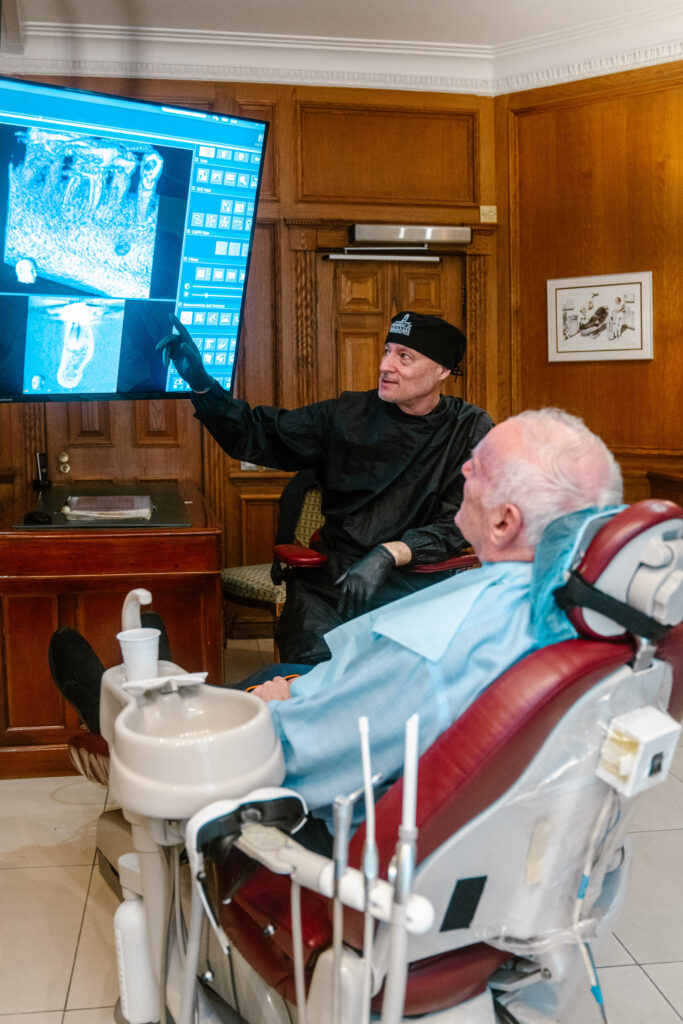
At Endo Academy, every case starts with a thorough clinical examination and, where indicated, CBCT 3D imaging. This allows us to assess the tooth, surrounding bone, and root canal system in detail, helping us identify persistent infection, missed canals, fractures, or other factors that may be preventing healing.
Treatment is then tailored to the individual tooth and may include:
How We Diagnose and Treat a Phoenix Abscess
Treating a Phoenix abscess begins with identifying exactly why the infection has flared up. While the symptoms may appear suddenly, the underlying cause is often more complex than it first appears.
At Endo Academy, every case starts with a thorough clinical examination and, where indicated, CBCT 3D imaging. This allows us to assess the tooth, surrounding bone, and root canal system in detail, helping us identify persistent infection, missed canals, fractures, or other factors that may be preventing healing.
Treatment is then tailored to the individual tooth and may include:
Root canal treatment
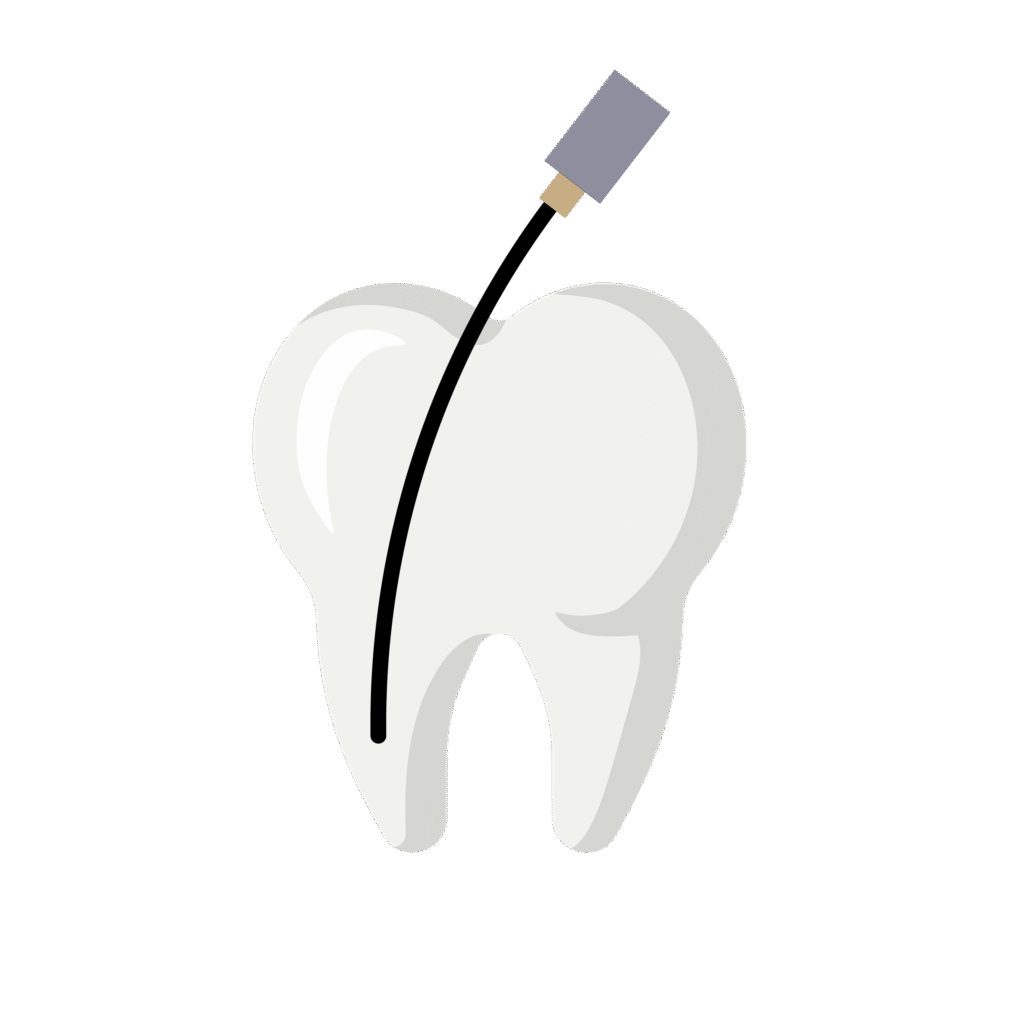
If the tooth has not previously been treated, root canal treatment is usually the most predictable way to remove the infection. The canals are carefully cleaned, disinfected, and sealed to prevent bacteria from returning.

Drainage and pain relief
Where significant swelling is present, drainage may be required to relieve pressure and encourage healing. Our priority is always to make you comfortable while addressing the source of the infection.

Antibiotics
Antibiotics are not routinely required for a Phoenix abscess. They may be prescribed if the infection is spreading or accompanied by facial swelling or systemic symptoms, but they do not remove the source of infection inside the tooth.
Can a Tooth with a Phoenix Abscess Be Saved?
In many cases, yes. Although a Phoenix abscess can be painful and alarming, it doesn’t automatically mean the tooth needs to be removed. If the tooth is structurally sound and the source of infection can be predictably eliminated, root canal treatment or retreatment is often highly successful.
Several factors influence the long-term prognosis, including:
- The extent of the infection
- The quality of any previous root canal treatment
- Whether the tooth is cracked or fractured
- The amount of healthy tooth structure remaining
- How quickly treatment is carried out
At The Academy, preserving your natural tooth is always our first priority. Using CBCT imaging, microscope-led treatment, and advanced disinfection protocols, we assess each case carefully to determine the most predictable course of action.
If the tooth can be saved, we’ll explain how. If it can’t, we’ll tell you honestly and discuss the alternatives.
The goal is not simply to relieve the symptoms of a Phoenix abscess. It’s to eliminate the infection and give your tooth the best possible chance of long-term success.
Recovery After Phoenix Abscess Treatment
Relieving the pain of a Phoenix abscess is often immediate, but healing takes time.
Once the source of infection has been removed, it’s normal to experience some mild tenderness around the tooth for a few days. This is part of the body’s natural healing process and usually settles with routine pain relief.
If swelling was present before treatment, it should gradually reduce as the infection resolves. In most cases, patients return to their normal daily activities within a day or two.
Healing beneath the surface continues for much longer. The bone around the root gradually repairs itself over the following months, which is why we arrange follow-up appointments and, where appropriate, repeat imaging to monitor your progress.
To support recovery, we recommend:
- Avoid chewing on the treated tooth until advised
- Maintain good oral hygiene around the area
- Take any prescribed medication as directed
- Attend your follow-up appointments
Our goal isn’t simply to relieve today’s symptoms. It’s to ensure the infection resolves completely and your tooth remains healthy for years to come.


Costs & Payment Options
At your consultation, we confirm the exact price before treatment and outline what’s included:
- Specialist assessment and targeted imaging (CBCT when indicated)
- Rubber dam isolation and microscope-led treatment
- Advanced irrigation and laser-assisted disinfection
- Obturation and a high-quality temporary or permanent restoration
- A written report for you and your dentist
What’s not included: the final crown or onlay. This is usually completed by your general dentist once the molar has settled, and we coordinate closely with them to ensure the tooth is protected long term.
0% finance with Tabeo
FAQs
Answering our most commonly asked questions.
What is a Phoenix abscess?
A Phoenix abscess is a sudden flare-up of a long-standing infection around the root of a tooth. Although the symptoms appear suddenly, the infection has often been present for months or years before becoming painful.
What causes a Phoenix abscess?
A Phoenix abscess develops when a chronic root canal infection suddenly becomes active. It is commonly associated with untreated infected teeth, previous root canal treatment, or bacteria remaining inside the root canal system.
Is a Phoenix abscess a dental emergency?
Yes. A Phoenix abscess should be assessed as soon as possible. Prompt treatment helps relieve pain, stop the infection from spreading, and improve the chances of saving the tooth.
Can a Phoenix abscess go away on its own?
No. Although the pain may settle temporarily, the underlying infection usually remains. Without treatment, the infection can continue to damage the surrounding bone and tissues.
How painful is a Phoenix abscess?
A Phoenix abscess can be extremely painful. Many patients experience severe throbbing pain, tenderness when biting, swelling, and a feeling that the tooth is raised. Symptoms often develop rapidly over 24–48 hours.
Why is my root canal tooth suddenly hurting years later?
A previously treated tooth can become painful if bacteria remain within the canal system or re-enter through a leaking filling or crown. In some cases, this sudden flare-up is known as a Phoenix abscess.
Can a Phoenix abscess happen after root canal treatment?
Yes. Although most root canal treatments heal successfully, a small number of teeth can experience a flare-up of an existing infection, particularly if bacteria remain in complex canal anatomy.
Can antibiotics cure a Phoenix abscess?
No. Antibiotics may reduce swelling or help control a spreading infection, but they cannot remove bacteria from inside the root canal system. Root canal treatment or retreatment is usually required.
Can a tooth with a Phoenix abscess be saved?
In many cases, yes. With prompt diagnosis and specialist root canal treatment or retreatment, most teeth affected by a Phoenix abscess can be preserved successfully.
How do you treat a Phoenix abscess?
Treatment usually involves root canal treatment or root canal retreatment to remove the source of infection. In some cases, drainage or apicoectomy may be recommended if the infection cannot be reached conventionally.
How much does Phoenix abscess treatment cost?
The cost depends on whether you require root canal treatment, retreatment, or surgical endodontic treatment. At Endo Academy, we provide fixed, transparent fees and explain all costs before treatment begins.
How long does it take to recover from a Phoenix abscess?
Most patients feel significantly better within a few days of treatment. Tenderness usually settles within a week, while complete healing of the surrounding bone may take several months.
Can a Phoenix abscess spread to my face or jaw?
Yes. If left untreated, the infection can spread into the surrounding tissues, causing facial swelling, jaw pain, or, in rare cases, more serious complications. Early treatment helps prevent this.
What's the difference between a Phoenix abscess and a normal tooth abscess?
A Phoenix abscess is a flare-up of an existing chronic infection, whereas a typical tooth abscess often develops as a new infection caused by decay, trauma, or a cracked tooth.
Should I see an endodontist for a Phoenix abscess?
Because Phoenix abscesses often involve previously treated teeth or complex root canal infections, they are best assessed by a specialist endodontist with access to CBCT imaging, operating microscopes, and advanced endodontic techniques.
Still have a question?
Subscribe to our newsletter
Stay up to date with our latest news and events.
By clicking Sign Up you’re confirming that you agree with our Terms and Conditions.