
Root Canal Infection
Advanced endodontic care on Harley Street.

5 Stars
From 220+ Google Reviews
Trustindex verifies that the original source of the review is Google. Extremely professional service. I was kept informed at every step and the procedure was swift and painless. Many thanks.Trustindex verifies that the original source of the review is Google. Dr. Kahan is an exceptional professional with a great sense of humor. He combines expertise with a warm and approachable manner, making every visit a positive experience. His professionalism and knowledge are outstanding, and he genuinely cares about his patients. Highly recommended!Trustindex verifies that the original source of the review is Google. Clear, comprehensive, balanced explanation that put my son at his ease despite a difficult clinical situationTrustindex verifies that the original source of the review is Google. I found Richard Kahan very easy going, consultative and very focused on my needs also he was very structured on detailed explanations. Thoroughly knowledgeable and helpful.Trustindex verifies that the original source of the review is Google. Kind, friendly and skilled staff, would highly recommend.Trustindex verifies that the original source of the review is Google. I was booked in very promptly (same day, in fact immediately) after I contacted the practice explaining that I was in severe pain. I was brought back the next day in the dentist's and nurse's lunch hour to relieve my situation. Very impressive and very much appreciated. I also received follow up communication after the appointment to enquire how I was. Overall all staff at the practice were very caring.Trustindex verifies that the original source of the review is Google. Amazing Service, Amazing Staff, Very HelpfulTrustindex verifies that the original source of the review is Google. Amazing!

Specialist Endodontists

CBCT-Guided
Care

Fixed Transparent Fees
Root Canal Infection Treatment in London (Harley Street)
A root canal infection begins when bacteria gain access to the living tissue inside a tooth. Sometimes the warning signs are impossible to ignore: severe pain, swelling, or a sleepless night. Sometimes the infection develops quietly, causing little or no discomfort until significant damage has already occurred.
Left untreated, a root canal infection can spread beyond the tooth into the surrounding bone, leading to abscess formation, bone loss, and ultimately the loss of an otherwise healthy tooth. The good news is that, with early diagnosis and specialist treatment, most infected teeth can be successfully preserved.
At the Academy, we focus on identifying the source of infection, not simply managing symptoms. Using specialist testing, microscope-led treatment, CBCT 3D imaging, and advanced disinfection techniques, we provide precise, evidence-based care designed to eliminate infection and protect your natural tooth for the long term.
Signs and Symptoms of a Root Canal Infection
Root canal infections don’t always announce themselves clearly. Some cause severe pain and swelling, while others develop quietly with few or no symptoms at all.
Common signs of a root canal infection include:
- Persistent toothache or throbbing pain
- Pain when biting or chewing
- Sensitivity to hot or cold that lingers
- Swelling of the gum, face, or jaw
- A pimple or abscess on the gum
- A bad taste or unpleasant discharge in the mouth
- Tooth discolouration or darkening
- Tenderness when touching the tooth
One of the most important things to understand is that the absence of pain does not necessarily mean the absence of infection. In some cases, the nerve inside the tooth dies and symptoms temporarily disappear, even though the infection continues to spread around the root.
If you suspect a tooth may be infected, early assessment can make treatment simpler, more predictable, and improve the chances of preserving the tooth.

What Causes Root Canal Infections?
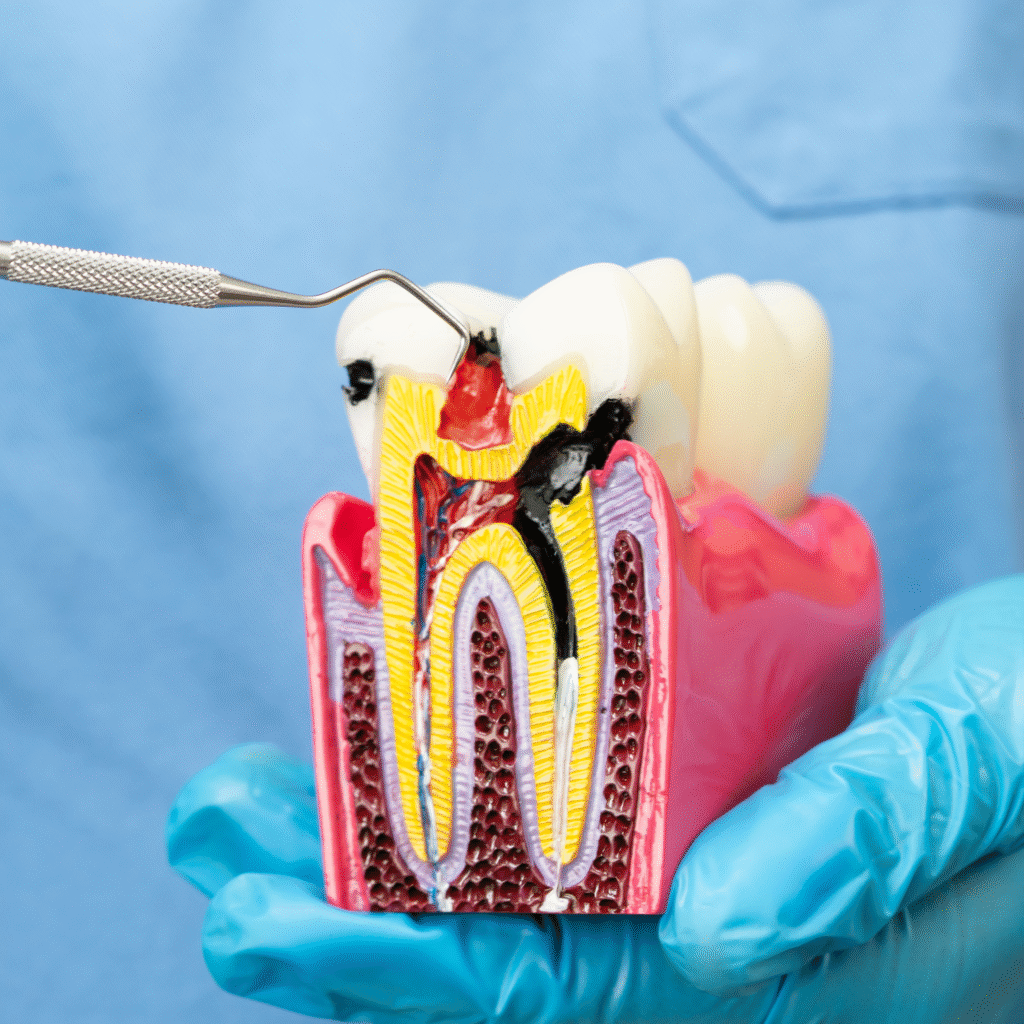
Root canal infections develop when bacteria gain access to the inside of a tooth. Once inside the pulp space, they can multiply within the canal system and eventually spread beyond the roots into the surrounding bone.
Common causes include:
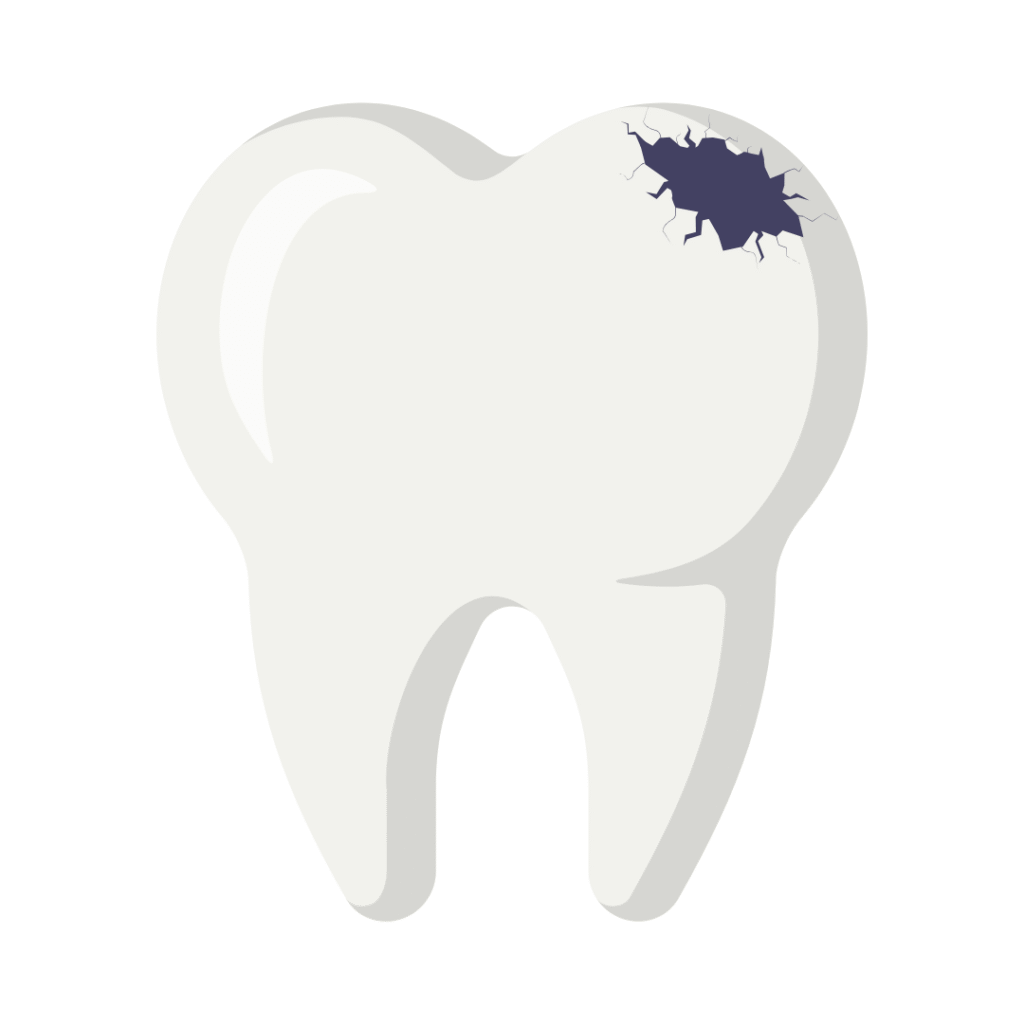
Deep Tooth Dcay

Leaking Fillings or Crowns
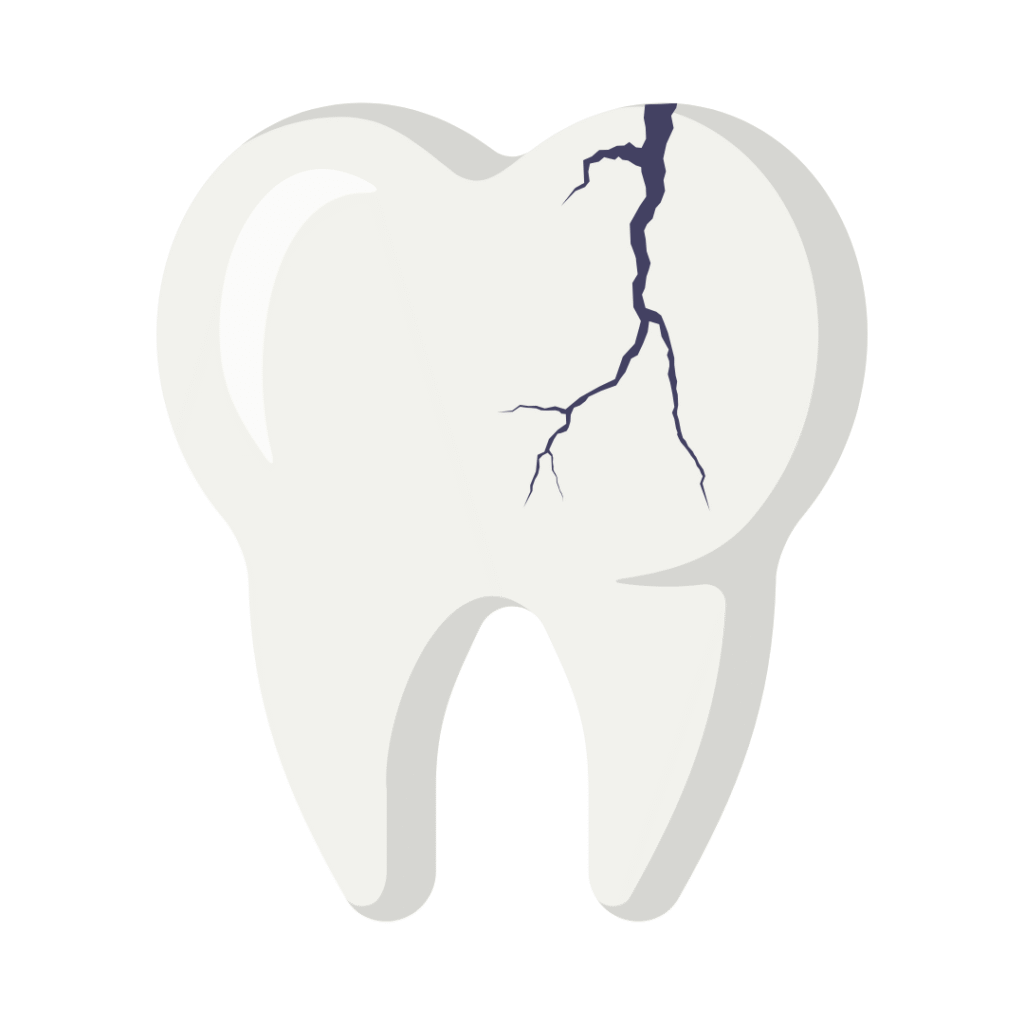
Cracks or Fractures in the tooth
Repeated Dental Treatment on the Same Tooth

Dental Trauma or Injury
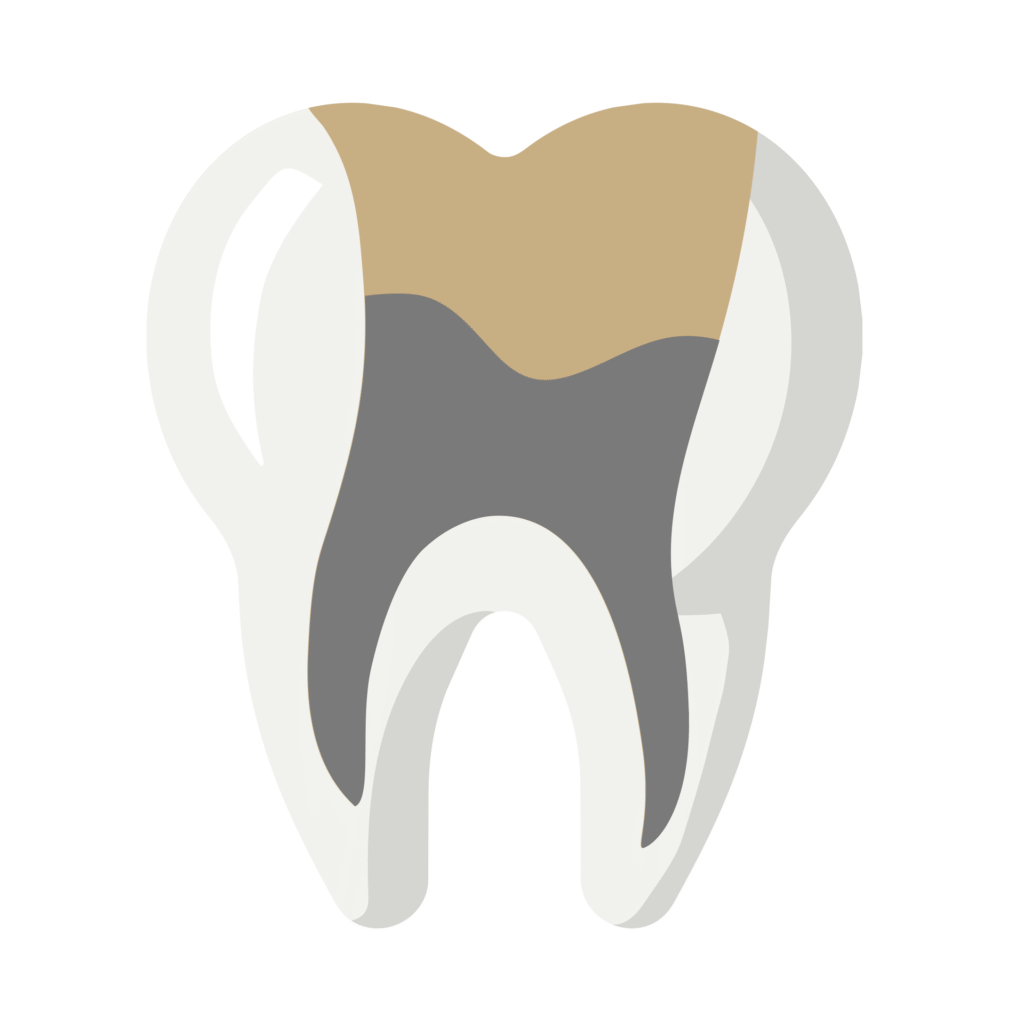
A Previous Root Canal that has Failed

Untreated Pulp Exposure
In many cases, the bacteria themselves are not the real problem. The problem is that they have found a pathway into a part of the tooth that the body’s immune system cannot easily reach.
This is why root canal infections often continue to progress unless the source of infection is removed and the canal system is properly disinfected and sealed.
Why Root Canal Infections Don’t Usually Resolve on Their Own
Many patients assume that if the pain settles, the infection has gone away.
Unfortunately, that isn’t usually the case.
Once the pulp inside a tooth becomes infected and dies, the blood supply to that tissue is lost. This means the body’s immune system can no longer effectively reach the source of the infection.
Antibiotics may temporarily reduce swelling or help control a spreading infection, but they cannot reliably eliminate bacteria living deep within the root canal system.
As a result, the infection often remains active, even when symptoms improve. Over time, it can continue to damage the surrounding bone and increase the risk of abscess formation.
The solution is not simply to manage the symptoms. It is to remove the source of infection, disinfect the canal system, and seal it to prevent bacteria from returning.
How We Diagnose Root Canal Infections
Accurate diagnosis is the foundation of successful treatment. The challenge is that root canal infections are not always visible on routine X-rays, and symptoms don’t always reflect the true extent of the problem.
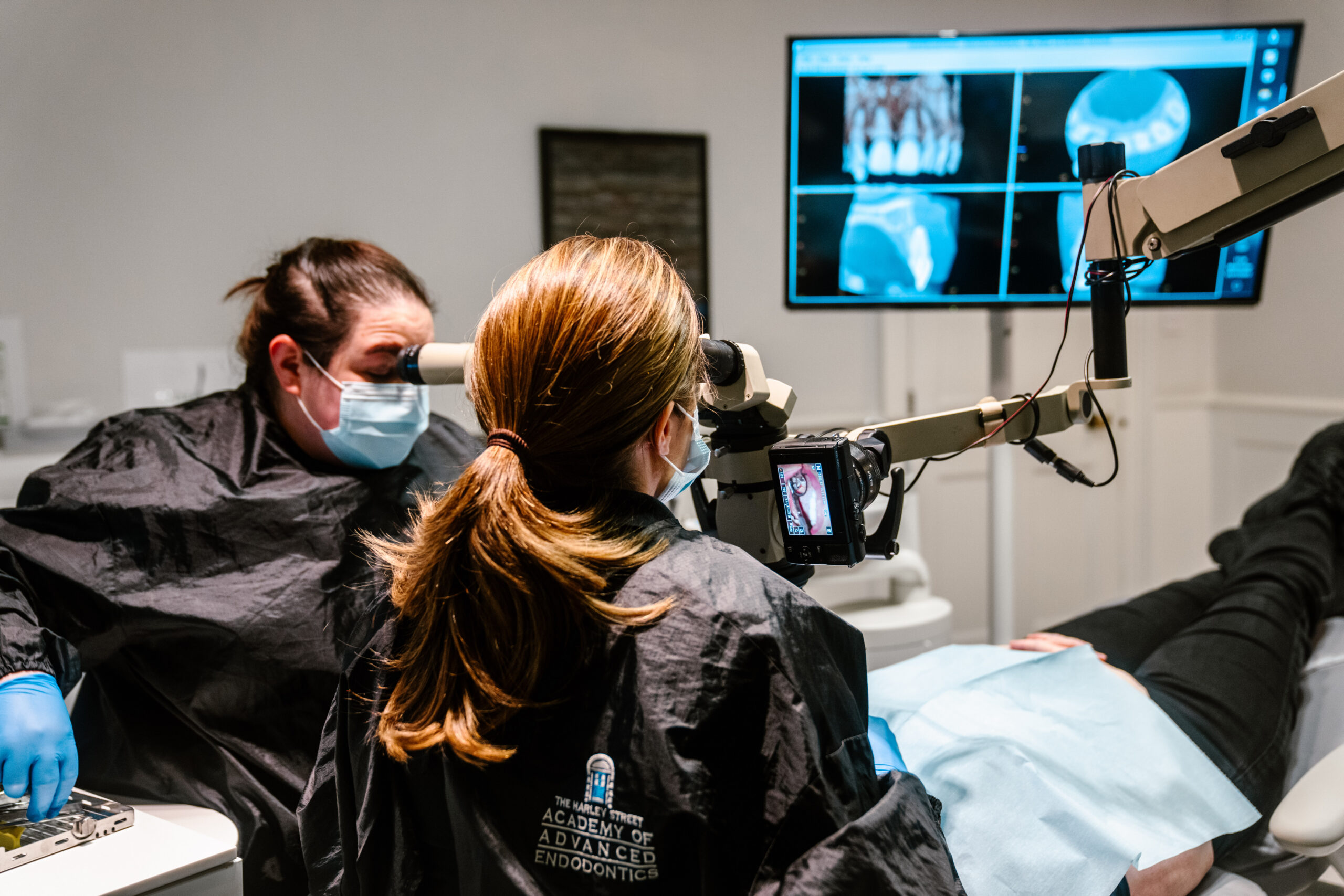
At Endo Academy, diagnosis begins with a detailed clinical examination and specialist testing. We assess the tooth, surrounding tissues, and any symptoms you may be experiencing.
Where indicated, we use CBCT 3D imaging to visualise the tooth, root canal system, and surrounding bone in far greater detail than conventional radiographs. This allows us to identify hidden infections, missed canals, fractures, and lesions that may otherwise go undetected.
Combined with microscope-led assessment, this helps us make accurate diagnoses and develop predictable treatment plans.
How We Treat Root Canal Infections
The treatment of a root canal infection depends on the condition of the tooth, the extent of the infection, and whether any previous treatment has been carried out.
the Root Canal Treatment Procedure
1
Root Canal Treatment
For most infected teeth, root canal treatment is the gold standard. We remove the infected tissue, disinfect the canal system, and seal the canals to prevent bacteria from returning.
2
Retreatment of Previous Root Canal Treatment
If a previous root canal has failed, retreatment may be required. This involves removing existing root filling materials, identifying missed anatomy, and disinfecting the canal system using modern protocols.
3
Advanced Disinfection
We use microscope-led techniques, activated irrigation, and laser-assisted disinfection to target bacteria in areas that conventional instruments cannot easily reach.
4
Apicectomy
In selected cases, a persistent infection may require microsurgical treatment at the root tip. This procedure, known as an apicectomy, allows direct access to the source of infection while preserving the tooth.
Our objective is not simply to relieve pain. It is to eliminate infection while preserving healthy tooth structure wherever possible.
Can an Infected Tooth Be Saved?
One of the biggest misconceptions about root canal infections is that an infected tooth automatically needs to be removed. In reality, many infected teeth can be successfully treated and retained for years, often decades.
The key factors are early diagnosis, the amount of healthy tooth structure remaining, and whether the infection can be predictably eliminated.
At Endo Academy, we assess each case individually using specialist testing, CBCT imaging, and microscope-led examination. This allows us to determine:
- The extent of the infection
- Whether the tooth is structurally sound
- The likelihood of long-term success
- Whether preservation or extraction is the more predictable option
Our philosophy is simple: preserve natural teeth wherever possible. However, if a tooth is fractured, severely weakened, or unlikely to function long-term, we will discuss alternative options honestly and transparently.
The goal is not simply to save the tooth. The goal is to make the best long-term decision for the patient.

Why Choose Endo Academy on Harley Street
Root canal infections can be straightforward. They can also be surprisingly complex.
Hidden anatomy, missed canals, fractures, and infections that sit beyond the limits of conventional imaging all require careful diagnosis and specialist management. That is where endodontics differs from general dentistry.
At Endo Academy, every case benefits from:
- Specialist endodontists with academic and teaching backgrounds
CBCT 3D imaging for accurate diagnosis and treatment planning
Microscope-led treatment for enhanced precision
Advanced irrigation and laser-assisted disinfection protocols
Fixed, transparent fees with no hidden surprises
Detailed reports for both patients and referring dentists
A calm, patient-centred approach to care
Costs & Payment Options
Clear, fixed fees- no surprises. At your consultation, we confirm the exact price before treatment and outline what’s included:
- Specialist assessment and targeted imaging (CBCT when indicated)
- Rubber dam isolation, microscope-led treatment
- Advanced irrigation and laser-assisted disinfection
- Obturation and a high-quality temporary or permanent restoration
- A written report for you and your dentist
What’s not included: the final crown or onlay. We’ll coordinate this with your dentist post-treatment.
Retreatment & complex cases: fees reflect the extra time to remove posts, negotiate calcified canals, or manage broken instruments. You’ll get a clear plan either way.
NHS vs private: NHS access to specialist endodontics is limited, especially for molars and complex cases. Private treatment gives faster access, advanced imaging and protocols, and predictable appointment times. If you have questions on finance or staged care, ask us — we’ll map your options in plain English.
Taebo Finance
We’ve partnered with Tabeo to make financing easy and available at 0% APR.

FAQs
Answering our most commonly asked questions.
What is a root canal infection?
A root canal infection occurs when bacteria enter the pulp (the living tissue inside the tooth) and begin to multiply within the root canal system. Left untreated, the infection can spread into the surrounding bone and tissues.
Can a root canal infection go away on its own?
No. Once bacteria become established within the root canal system, the infection rarely resolves without treatment. Symptoms may come and go, but the underlying infection often remains.
Does a root canal infection always hurt?
No. Some infected teeth are extremely painful, while others cause little or no discomfort. The absence of pain does not necessarily mean the absence of infection.
What causes a root canal infection?
Common causes include deep decay, cracked teeth, leaking fillings or crowns, trauma, and failed previous root canal treatment. All of these can allow bacteria to reach the pulp inside the tooth.
Can antibiotics cure a root canal infection?
Not usually. Antibiotics may help manage swelling or a spreading infection, but they cannot reliably eliminate bacteria living deep within the root canal system. Definitive treatment is required to remove the source of infection.
How is a root canal infection diagnosed?
Diagnosis typically involves a clinical examination, specialist testing, digital radiographs, and, where indicated, CBCT 3D imaging. This allows us to assess the tooth, surrounding bone, and extent of infection accurately.
Can an infected tooth be saved?
In many cases, yes. With timely diagnosis and appropriate treatment, infected teeth can often be retained successfully for many years.
What happens if a root canal infection is left untreated?
The infection can continue to spread, leading to pain, swelling, abscess formation, bone loss, and eventually tooth loss. Treatment also becomes more complex as the infection progresses.
What treatment is required for a root canal infection?
Treatment usually involves root canal treatment or, in some cases, retreatment of a previous root canal. The goal is to remove the infection, disinfect the canal system, and seal it to prevent bacteria returning.
How quickly should a root canal infection be treated?
As soon as practical. Early treatment is often simpler, more predictable, and provides the best chance of preserving the natural tooth.
Can a root canal infection spread?
Yes. Root canal infections can spread into the surrounding bone and soft tissues. In more severe cases, swelling and facial infection may develop.
What is the difference between a root canal infection and an abscess?
A root canal infection refers to the bacterial infection within the tooth and root canal system. An abscess is a collection of pus that can develop when the infection spreads beyond the tooth into the surrounding tissues.
Can a root canal infection come back after treatment?
Occasionally. Reinfection can occur if bacteria gain access to the canal system through a leaking restoration, missed anatomy, or structural damage to the tooth. This may require retreatment.
Is root canal treatment painful?
Modern root canal treatment is designed to be comfortable. The tooth is fully numbed before treatment begins, and most patients report that the procedure feels similar to having a filling.
Should I see an endodontist for a root canal infection?
Complex infections, persistent symptoms, previous failed root canals, and difficult anatomy often benefit from specialist assessment. Endodontists have additional training, advanced imaging, and specialist equipment designed specifically for managing these cases.
Subscribe to our newsletter
Stay up to date with our latest news and events.
By clicking Sign Up you’re confirming that you agree with our Terms and Conditions.