
A damaged or inflamed dental pulp doesn’t always need to be completely removed.
A pulpotomy is a conservative treatment that removes the affected portion of the pulp while preserving healthy, living tissue within the tooth. With advances in materials, research and diagnostic imaging, it is now an increasingly accepted alternative to root canal treatment in carefully selected cases.
At The Harley Street Academy of Endodontics, we use specialist assessment and advanced imaging to determine whether the pulp can predictably be preserved- with the aim of keeping treatment as conservative as possible while protecting your natural tooth long term.

Specialist Endodontists

CBCT-Guided
Care

Fixed Transparent Fees
What is a Pulpotomy?
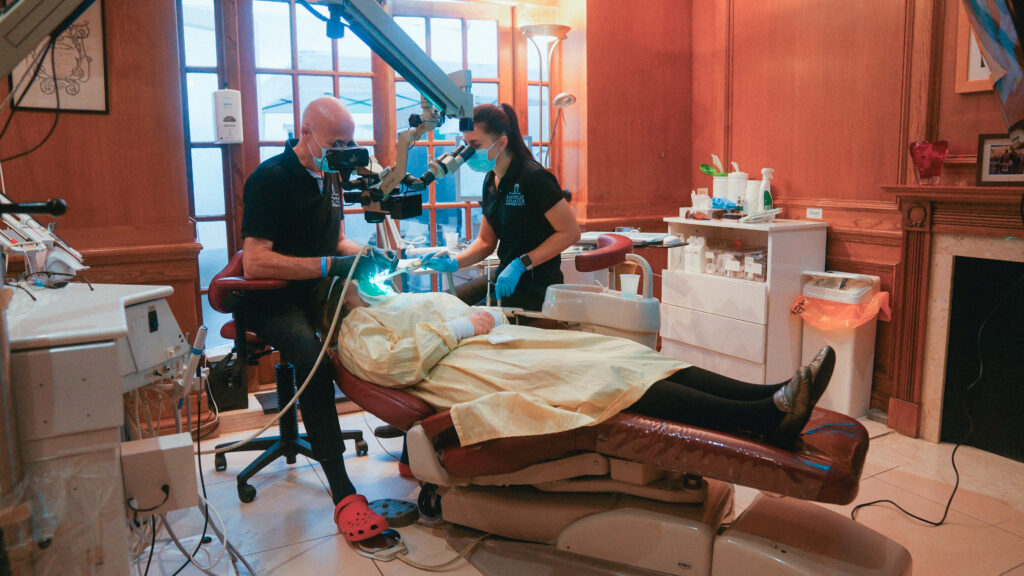
A pulpotomy is a treatment designed to preserve as much of the healthy dental pulp as possible. Rather than removing all of the pulp tissue from inside the tooth, only the inflamed or damaged portion is removed.
The remaining healthy pulp is carefully assessed, protected with a biocompatible material and sealed beneath a restoration, allowing it to remain alive and continue functioning within the tooth.
Pulpotomy forms part of a broader approach known as vital pulp therapy. The principle is simple: if healthy pulp tissue can be predictably preserved, there may be no need to remove it.
While pulpotomies have been used in dentistry for decades, advances in diagnostic techniques, materials and clinical research have significantly changed when and how we use them- including in mature adult teeth that may previously have been treated with root canal therapy.
Pulpotomy vs Partial Pulpotomy vs Pulpectomy
These treatments sound similar, but the key difference is how much of the dental pulp is removed. The right approach depends on how far the inflammation or damage has progressed. At the Academy, our priority is to preserve healthy pulp wherever it is clinically appropriate, rather than removing more tissue than necessary.
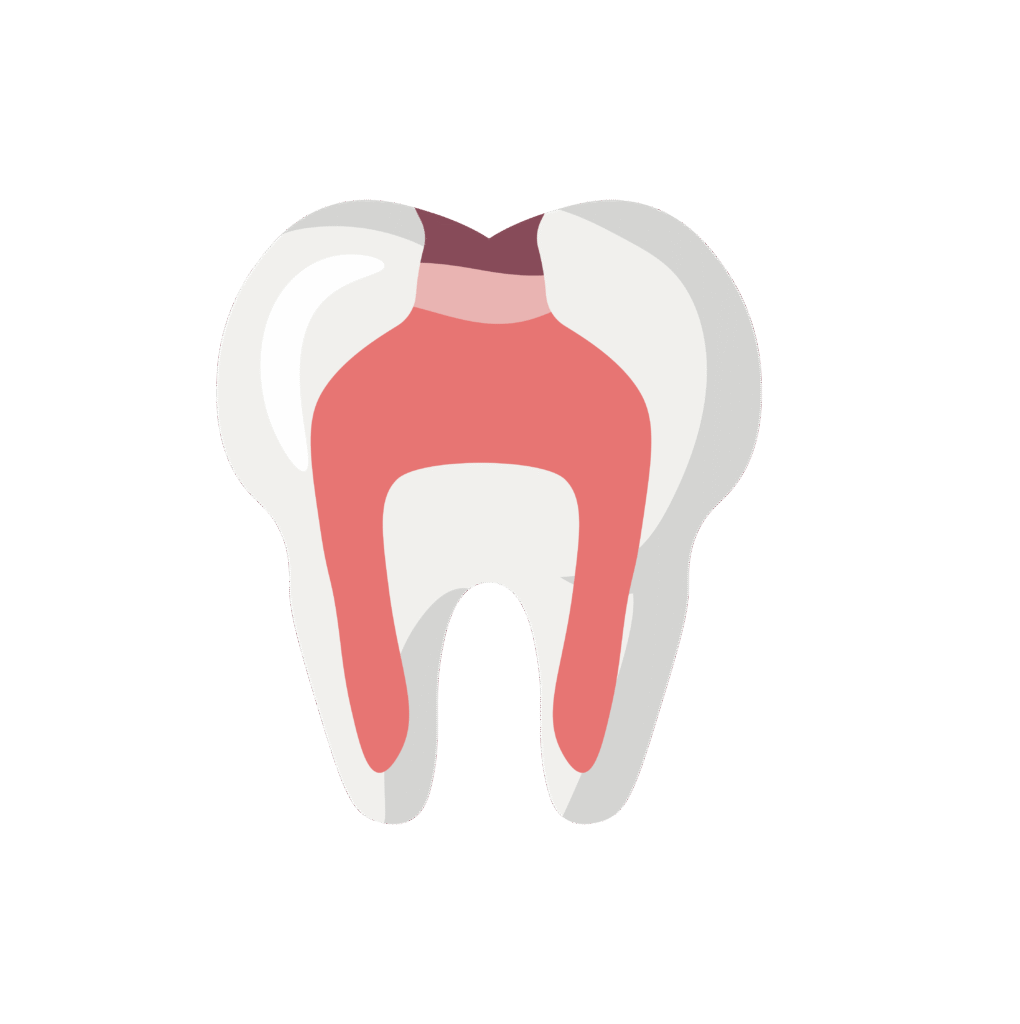
Partial Pulpotomy
A partial pulpotomy removes only a small amount of inflamed or damaged pulp tissue at the site of exposure. Healthy pulp is left intact within both the crown and roots of the tooth.
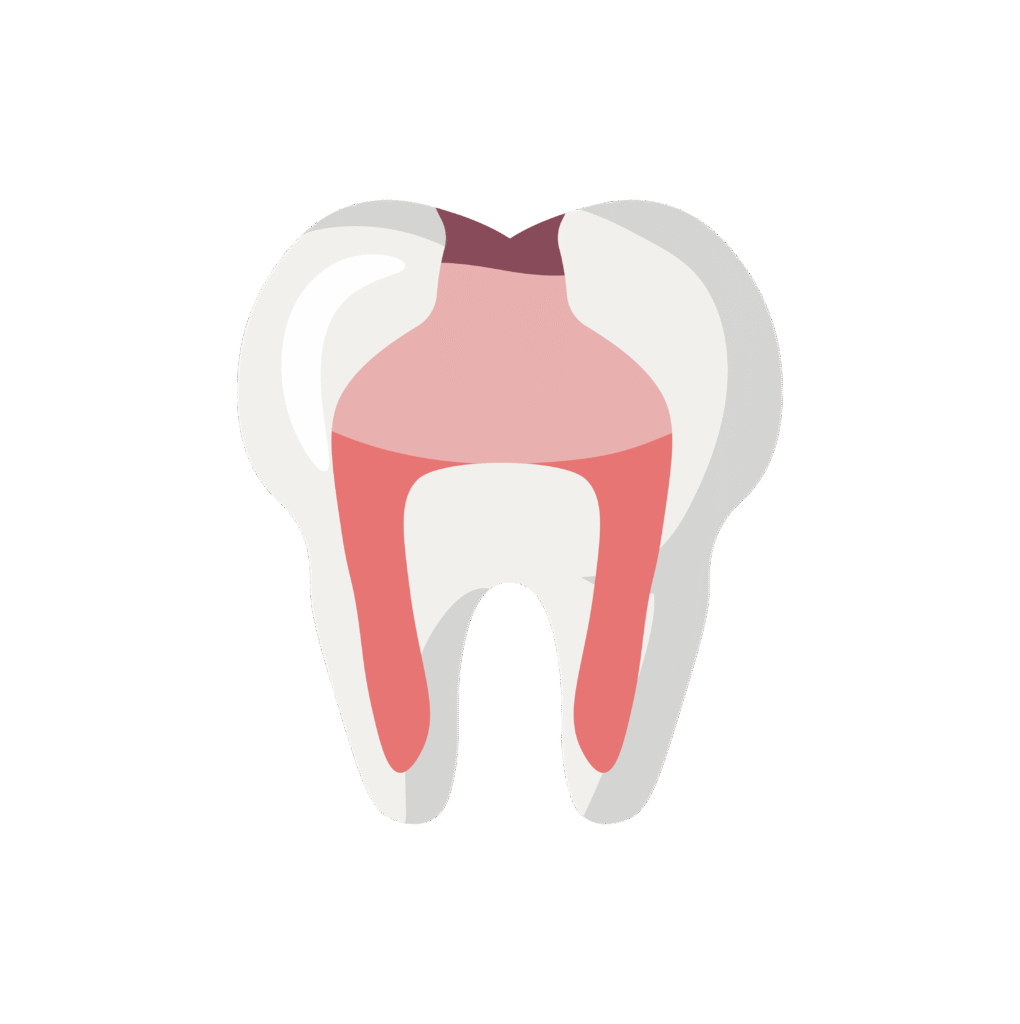
Full Pulpotomy
A full pulpotomy removes the pulp tissue from the crown of the tooth while preserving the healthy pulp within the root canals. The remaining tissue is protected with a biocompatible material and the tooth is carefully sealed.
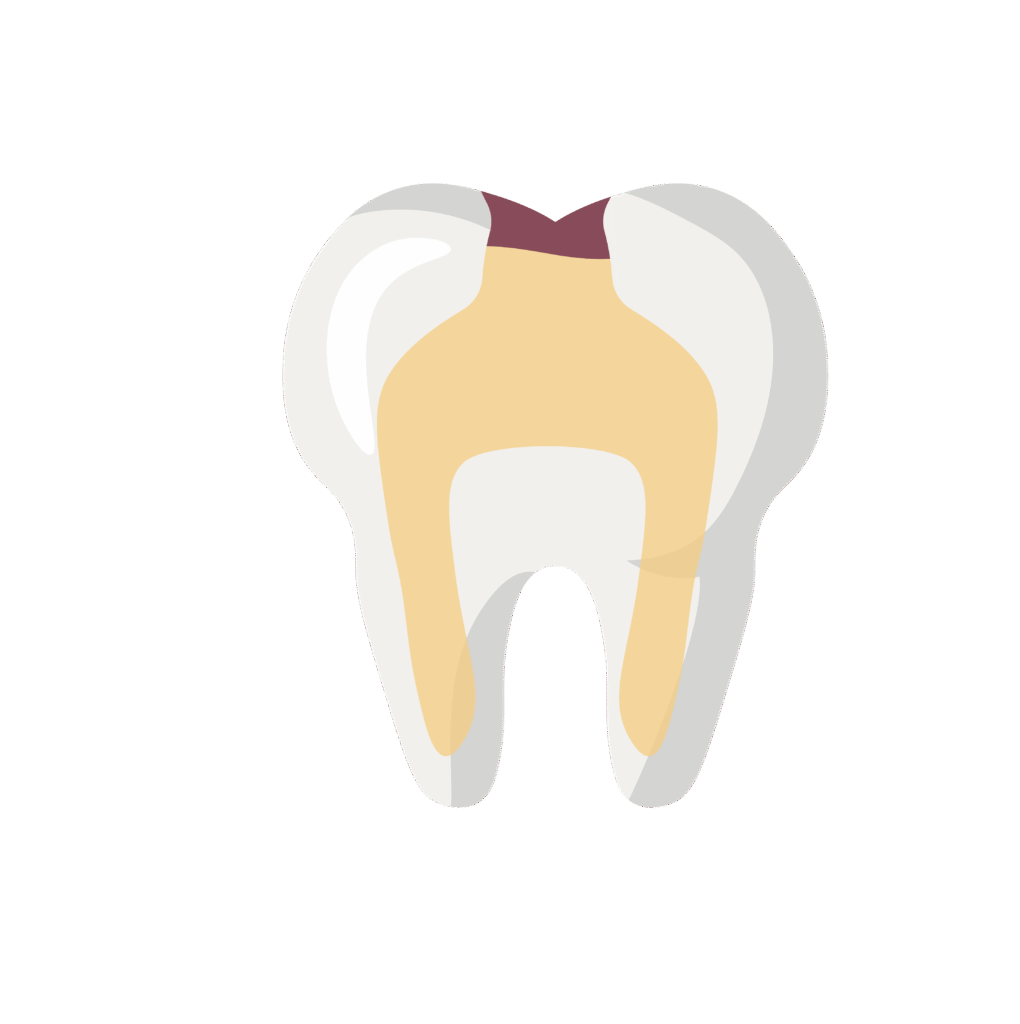
Pulpectomy
A pulpectomy involves removing all of the pulp tissue from both the crown and root canals of the tooth. This is the pulp-removal stage and is the first part of root canal treatment and is necessary when preserving the remaining pulp is no longer considered predictable.
When Might a Pulpotomy Be Recommended?
A pulpotomy may be considered when the dental pulp has been exposed or inflamed, but there is still enough healthy, vital tissue remaining to make preservation a realistic option.
This may include teeth affected by:
- Deep tooth decay that has reached or come very close to the pulp
- Accidental pulp exposure during dental treatment
- A cracked or fractured tooth
- Dental trauma or injury
- Pulp inflammation where the remaining tissue is considered capable of healing
Importantly, a pulpotomy isn’t suitable for every damaged or painful tooth. The condition of the remaining pulp, the health of the tissues surrounding the root and whether the tooth can be properly restored all influence whether treatment is likely to succeed.
This is why careful diagnosis and case selection are so important. The aim isn’t simply to avoid root canal treatment- it’s to preserve living pulp when doing so offers a predictable outcome.
Why Pulpotomy Instead of Root Canal Treatment?
For many years, significant inflammation or exposure of the dental pulp often meant one thing: root canal treatment. Today, we know that in carefully selected cases, removing the entire pulp may not always be necessary.
If healthy, vital pulp remains within the tooth, a pulpotomy allows us to remove the damaged tissue while preserving what can still heal. This has several potential advantages:
- Maintains healthy, living pulp tissue within the tooth
- Preserves the tooth’s natural blood supply
- Requires less removal of healthy tooth structure
- May avoid or delay the need for root canal treatment
- Keeps future treatment options open if further intervention is needed
This doesn’t mean a pulpotomy is automatically better than root canal treatment. If the pulp is too extensively damaged or infected, root canal treatment remains the more predictable option.
The difference today is that root canal treatment isn’t the automatic next step for every inflamed pulp. With careful assessment, we can choose the most conservative treatment that gives the tooth a predictable chance of long-term success.

Pulpotomies Aren’t New. So What Has Changed?
Pulpotomies have been used in dentistry for decades. What has changed is our understanding of how the pulp heals, which teeth are suitable for treatment, and how predictably we can preserve vital tissue.
Two developments have made the biggest difference:
Better materials
Modern biocompatible materials provide a far more effective environment for the remaining pulp to heal. They allow us to protect the exposed tissue, create a reliable seal and encourage the formation of healthy hard tissue.Better research
Growing clinical evidence has challenged the traditional idea that a significantly inflamed pulp must always be completely removed. Research into vital pulp therapy has shown that, in carefully selected cases, healthy tissue deeper within the tooth may still be capable of healing.
How We Perform a Pulpotomy at Endo Academy
A successful pulpotomy is about more than simply removing part of the pulp. The aim is to remove damaged tissue, protect the healthy pulp that remains and create the right conditions for healing.
Specialist assessment
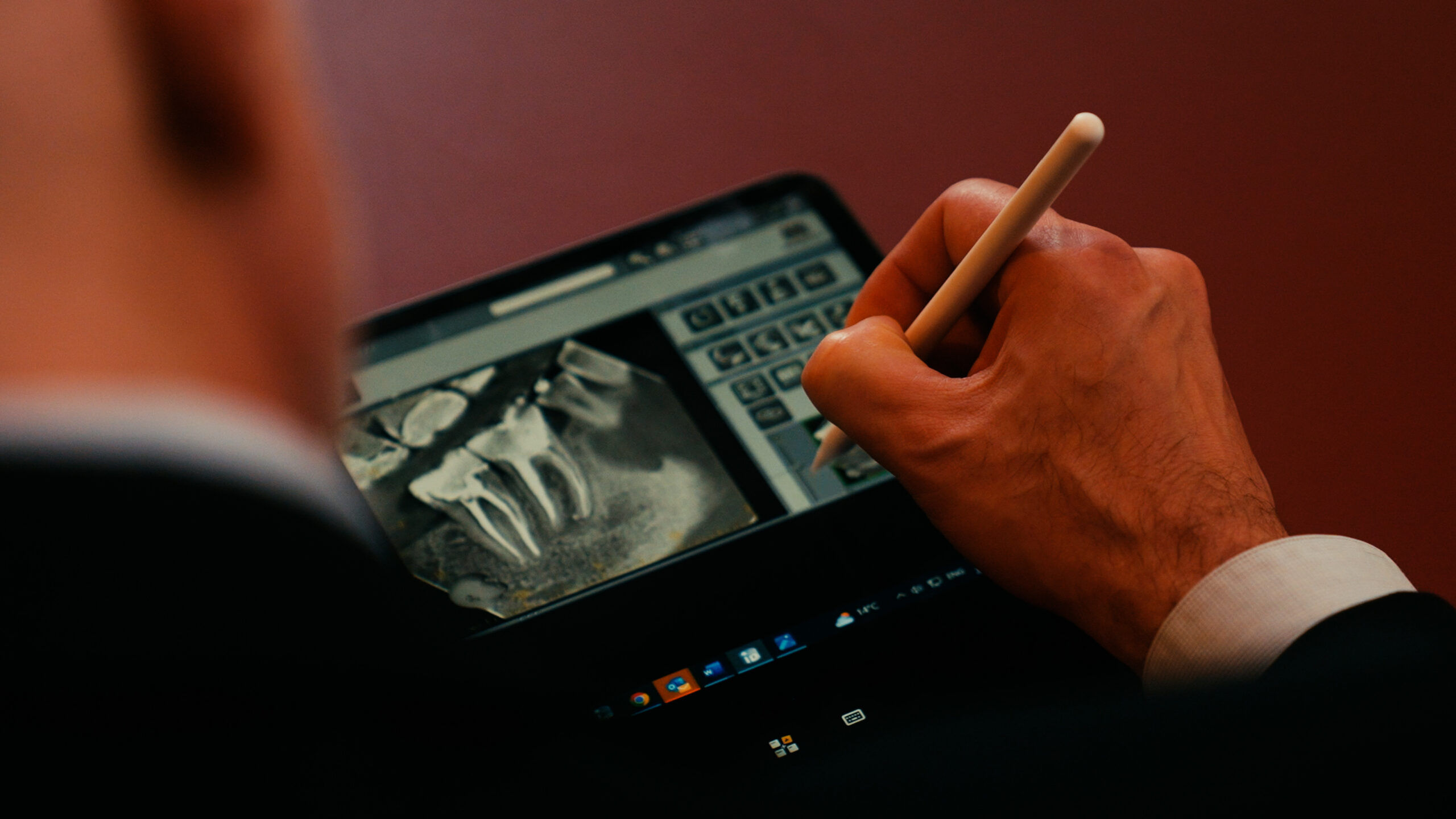
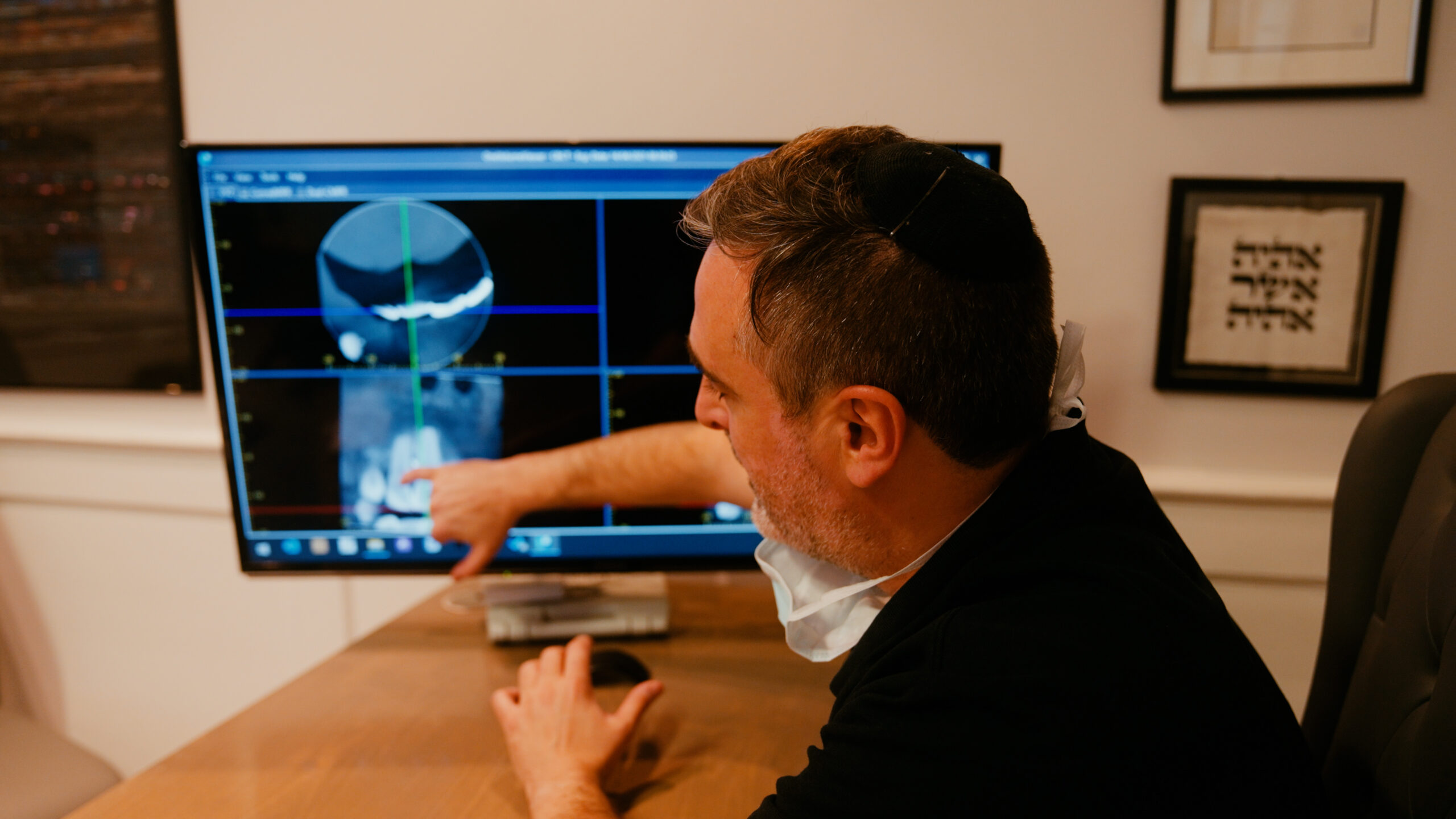
Treatment begins with careful diagnosis and case selection. We assess the health of the pulp, the surrounding tissues and the restorability of the tooth to determine whether pulpotomy is an appropriate option. The decision is based on the pain history, simple tests on the tooth and CBCT scan analysis.
Microscope-led treatment
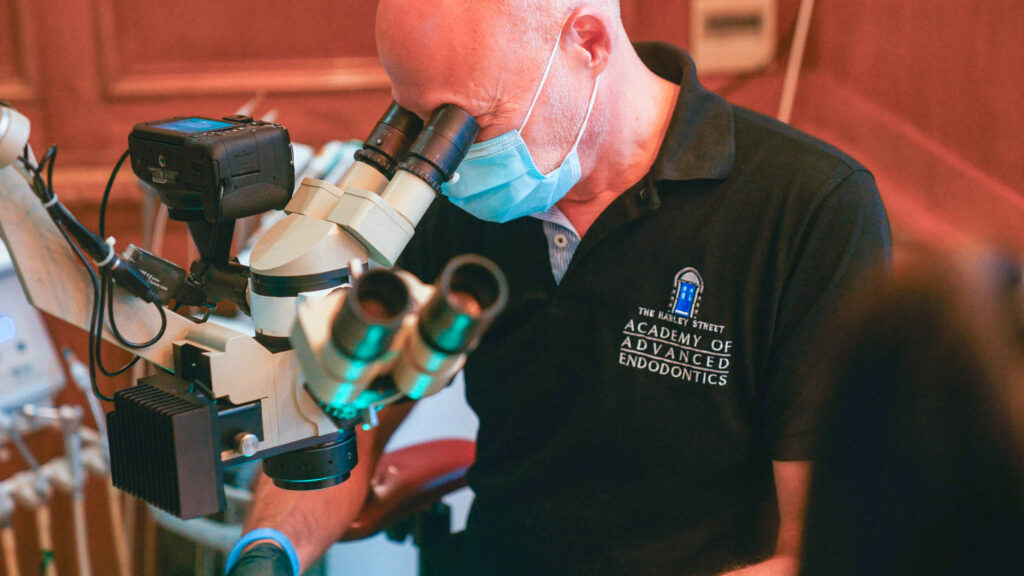
Under high magnification, the affected pulp tissue is carefully removed while preserving healthy tissue deeper within the tooth. This allows us to work conservatively and precisely.
Assessment of the remaining pulp
Once the damaged tissue has been removed, the remaining pulp is assessed during treatment. Its appearance and ability to achieve controlled bleeding provide important information about the health of the tissue and whether preservation remains appropriate.
Protecting and sealing the pulp
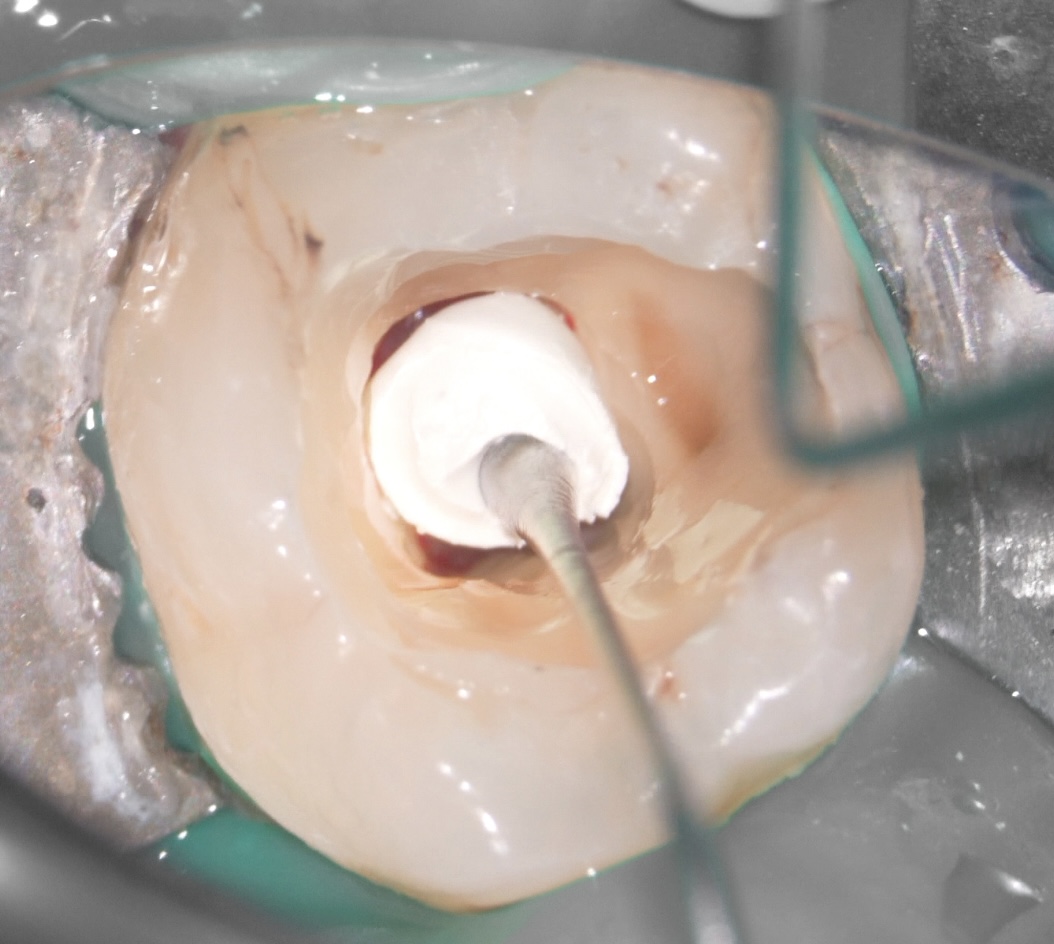
A modern biocompatible material is placed directly over the remaining vital pulp to protect it and support healing. The tooth is then carefully sealed to minimise the risk of bacteria re-entering.
Follow-up and monitoring
The tooth is reviewed over time to assess symptoms, pulp health and healing. We also coordinate with your general dentist where further restorative treatment is required.
Our aim is to preserve as much healthy, living tissue as possible- without compromising the long-term health of the tooth.
Pulpotomy Cost
Vital Pulp Therapy (VPT), including partial or full pulpotomy, starts from £395 at The Academy. Your consultation fee is charged separately. And you can view our fees page here.
The treatment is designed to preserve the living pulp within your tooth and, where successful, avoid the need for root canal treatment.
Your VPT fee includes:
- Treatment under magnification with rubber dam isolation
- Partial or full pulpotomy, depending on the clinical findings
- Placement of a biocompatible material to protect the remaining pulp
- An immediate bonded restoration
- A follow-up review within six months
The final condition of the pulp cannot always be determined until treatment begins. If we find that VPT cannot be predictably completed, root canal treatment may be recommended instead.
If root canal treatment becomes necessary during treatment or within six months of a completed pulpotomy, the VPT fee you have already paid will be taken into account, so the combined treatment fees equal your clinician’s usual primary root canal treatment fee.
Vital Pulp Therapy (Pulpotomy)- from £395
How Successful Is a Pulpotomy?
Modern research has changed the way we think about vital pulp therapy. In carefully selected teeth, a pulpotomy can provide a predictable way to preserve healthy pulp tissue and avoid more extensive treatment.
Success depends on several factors, including:
- The health of the remaining pulp tissue
- The extent of inflammation or infection
- Accurate diagnosis and case selection
- Effective control of bacteria during treatment
- The quality of the material placed over the pulp
- A well-sealed final restoration
- Appropriate follow-up and monitoring
No treatment comes with a guarantee, and pulpotomy is no exception. This is why we place so much emphasis on assessment before treatment and monitoring afterwards.
When the conditions are right, however, preserving a healthy, functioning pulp can be an excellent outcome- keeping more of the tooth’s natural biology intact while potentially avoiding the need for root canal treatment.
Recent reviews and meta-analysis (1,2,3) suggest that well-selected mature permanent teeth treated by pulpotomy with a hydraulic calcium-silicate cement commonly achieve clinical success in the high-80% to low-90% range, with short-term results comparable to root canal treatment.
The outcome appears less certain radiographically and over longer follow-up, and the evidence is weakened by inconsistent diagnostic criteria, treatment protocols and definitions of success. The most defensible conclusion is therefore that pulpotomy is now a credible definitive treatment for selected vital teeth with symptoms conventionally labelled irreversible pulpitis, but it is not yet supported by evidence strong enough to claim universal equivalence to root canal treatment.
What Happens If a Pulpotomy Fails?
A pulpotomy is designed to preserve the remaining healthy pulp, but occasionally the tissue may not heal as expected or inflammation may progress after treatment.
Signs that a pulpotomy may not have been successful can include:
- Persistent or worsening tooth pain
- Lingering sensitivity to hot or cold
- Pain when biting or chewing
- Swelling or tenderness around the tooth
- Changes around the root that become visible on follow-up imaging
Importantly, an unsuccessful pulpotomy does not necessarily mean the tooth has to be extracted.
In many cases, root canal treatment can still be carried out to remove the remaining pulp, disinfect the root canal system and preserve the tooth. This is one of the advantages of taking a conservative approach when the initial conditions are favourable- we preserve healthy tissue first without necessarily removing the option for further treatment later.
Regular follow-up allows us to monitor healing and intervene promptly if the tooth isn’t responding as expected.

Why Choose The Academy of Advanced Endodontics on Harley Street?
Pulpotomy treatment relies on careful diagnosis, precise technique and, above all, knowing when preserving the pulp is genuinely the right option.
At the Academy, every case is assessed individually, with treatment focused on preserving healthy tissue and your natural tooth wherever this offers a predictable outcome.
- Specialist endodontists with extensive clinical and academic experience
- CBCT 3D imaging where indicated to support accurate diagnosis and case selection
- Microscope-led treatment for precise, conservative removal of damaged pulp tissue
- Modern biocompatible materials designed to protect the remaining vital pulp (hydraulic calcium-silicate cement)
- Evidence-based treatment planning informed by current vital pulp therapy research
- Fixed, transparent fees confirmed before treatment begins
- Calm, patient-focused care with each stage clearly explained
- Harley Street location with convenient appointment availability
FAQs
Answering our most commonly asked questions.
How much does a pulpotomy cost compared with root canal treatment?
The cost of a pulpotomy versus root canal treatment depends on the tooth, its complexity, diagnostic imaging and the restoration required afterwards. A pulpotomy is a more conservative procedure, but it is only appropriate when enough healthy pulp remains to make preservation predictable. At Endo Academy, all treatment options and costs are explained before treatment begins.
Is a pulpotomy cheaper than a root canal?
A pulpotomy may cost less than full root canal treatment in some cases, but cost should not be the deciding factor. The most appropriate treatment depends on the health of the pulp and the long-term prognosis of the tooth. We recommend the least invasive treatment that offers a predictable outcome.
Can I have a pulpotomy instead of a root canal?
Potentially. A pulpotomy can be an alternative to root canal treatment when damaged or inflamed pulp can be removed while preserving healthy vital tissue deeper within the tooth. Specialist assessment is needed to determine whether pulp preservation is suitable.
Can a pulpotomy prevent the need for root canal treatment?
Yes, this is one of the main aims of modern vital pulp therapy. When a pulpotomy is successful, the remaining pulp stays healthy and vital, meaning full root canal treatment may not be necessary. If the pulp fails to heal later, root canal treatment can usually still be considered.
Do I need a root canal if my tooth nerve is exposed?
Not always. An exposed dental pulp was traditionally more likely to lead to root canal treatment, but modern vital pulp therapy means some exposed or inflamed pulps can now be preserved. Whether you need a pulpotomy or root canal depends on the health of the remaining pulp, the cause of the exposure and the condition of the tooth.
How long does recovery take after a pulpotomy?
Mild tenderness or sensitivity can occur after treatment and should gradually improve. Healing is monitored over time through your symptoms, clinical assessment and, where appropriate, follow-up imaging.
Should I see an endodontist for a pulpotomy?
An endodontist specialises in diagnosing and treating conditions affecting the dental pulp and root canal system. Specialist assessment can be particularly valuable when deciding whether a damaged pulp can predictably be preserved or whether root canal treatment would provide a better long-term outcome.
How do I know if I need a root canal?
Common signs that you may need root canal treatment include persistent toothache, lingering sensitivity to hot or cold, pain when biting, swelling, a darkened tooth or a recurring pimple on the gum. However, some infected teeth cause very few symptoms, so specialist assessment and imaging may be needed for an accurate diagnosis.
How much does root canal treatment cost in London?
The cost of root canal treatment in London varies depending on the tooth being treated, the complexity of its root canal anatomy and whether previous treatment has been carried out. Molars generally require more complex treatment than front teeth. At Endo Academy, fees are confirmed before treatment begins with no unexpected costs.
Is root canal treatment painful?
Modern root canal treatment is performed under local anaesthetic and should not be painful. Many patients seek treatment because they are already experiencing significant tooth pain, and treating the inflamed or infected pulp often provides relief from these symptoms.
What are the symptoms of a root canal infection?
Symptoms can include toothache, pain when biting, sensitivity, gum swelling, a bad taste, a pimple or abscess on the gum and tenderness around the affected tooth. A root canal infection can also develop without obvious pain, which is why X-rays and specialist diagnostic testing can be important.
Can I avoid root canal treatment?
Sometimes. If the dental pulp is still healthy enough to recover, conservative treatments such as vital pulp therapy may allow the living pulp to be preserved. Once the pulp is severely infected or has died, however, root canal treatment is often necessary to remove the infection and save the tooth.
Do I need a root canal specialist or endodontist?
Many straightforward root canals can be performed by general dentists. An endodontist may be recommended for complex anatomy, difficult molars, previous root canal failures, calcified canals, dental trauma or cases where diagnosis is uncertain. Endodontists have additional expertise focused specifically on diseases and treatment of the dental pulp and root canal system
Still have a question?
Subscribe to our newsletter
Stay up to date with our latest news and events.
By clicking Sign Up you’re confirming that you agree with our Terms and Conditions.